The Lumiose Tour is a series of tournaments held all around France during the summer. For the first edition, in 2025, we managed to convice eight league shops in Paris and its region to hold an Expanded tournament in June, but this year, the amount of events almost tripled, with 23 tournaments held all over the country (though half were still in the Paris region) in June, July and early August. The tournaments were rather small, with an average of 11.7 players, but it was an opportunity for Expanded fanatics like myself to have fun, and for other players to give the format a try.
Generally speaking, while there are definitely parts that can be improved (we were a bit overwhelmed by the amount of players who wanted to hold an Expanded tournament in their league, and kept adding new events even after the tour already started), I'm happy to report that the Lumiose Tour was well received, by long-time players and newcomers alike.
In this article, I'll go over the results of the tournaments and give my takeaways from this summer.
Results
There were 23 tournaments in total. Each tournament was held with the same structure as a League Cup (with regards to the amount of rounds and the size of the top cut), with BO3 rounds. Many organizers also agreed to run their event without separating age groups. Given the low amount of Junior and Senior Division players, they would have been mixed with the Masters anyway; by making this adjustment to the League Cup structure, they had the opportunity to make top cut if they did well. (And some Senior Division players did make top cut!)
Also, when tournaments didn't reach the required 9 players to have a top cut, some events had the top 2 players play a finals match if they were tied on points. This was to avoid the winner being decided by resistance in the case of, for example, two players being tied at 2-0-1 in an 8 person tournament.
Proxies were allowed, so that even new players could give the format a try without having to find copies of VS Seeker or other older cards.
With that said, here are the results of the Lumiose Tour:
Gentlemen du Jeu (Paris), 07/06 - 12 players
- Yoann Barszezak - Regidrago
- Titouan - Ceruledge
- Marwan Attobi - Regidrago
- Ilhan Sokmen - Shadow Rider
Troll2Jeux (Paris), 13/06 - 13 players
- Yoann Barszezak - Regidrago
- Baptiste Pugnat - Dragon Lugia
- Cyril Meynadier-Angonin - Blissey
- Augustin O. - Absol / Garbodor
Dédale des Jeux (Sartrouville), 14/06 - 11 players
- Edgar Saiz - Regidrago
- Stéphane Ivanoff - Regidrago
- Marwan Attobi - Regidrago
- Guillaume Gosset - Welder Box
Les Trois Commandements (Reims), 20/06 - 15 players
- Stéphane Ivanoff - Evo Vileplume / Lopunny
- Sacha Dupont - Regidrago
- Thomas Ducrot - Regidrago
- Louis Boisson - Rainbow Lugia
Studio Riddle (Reims), 21/06 - 21 players
- Sacha Dupont - Regidrago
- Nofoume Ben Ahmed Aly - Absol / Garbodor
- Louis Boisson - Regidrago
- Yoann Barszezak - Evo Vileplume / Slaking
- Arsène Hiriart - Evo Vileplume / Slaking
- Stéphane Ivanoff - Slowking Spread
- Enzo Dodu - Ceruledge
- Vincent Jouare - Electro Rain
Atmos Arena (Paris), 27/06 - 17 players
- Stéphane Ivanoff - Gardevoir
- Pierre Pelaud-Chauvellier - Regidrago
- Julien Bourdin - United Wings
- Nino Chauvet - Regidrago
Tofopolis (Poissy), 28/06 - 12 players
- Stéphane Ivanoff - Tsareena
- Nino Ladron - Shadow Rider
- Alexandre Mabire - Slowking
- Augustin O. - Regidrago
Crows Arena (Etampes), 04/07 - 13 players
- Edgar Saiz - Ceruledge
- Cyril Meynadier-Angonin - Ceruledge
- Stéphane Ivanoff - ADP Bolt
- Loïc Bodenez - Regidrago
Ludi-K (Ajaccio), 11/07 - 10 players
- Sylvain Cera - Gardevoir
- Jonathan Dahan - Gardevoir
- Cédric Paporello - Palafin
- Pedro Martins - Shadow Rider
Dooz TCG (Strasbourg), 11/07 - 9 players
- Nathanaël Roqueplan - Regidrago
- Baptiste Risser - Regidrago / Garbodor
- Antoine Fichefet - Dusknoir Spread
- Antoine Schuler-Sittler - Shadow Rider
Le Deck (Orsay), 12/07 - 9 players
- Stéphane Ivanoff - Dusknoir Spread
- Honorine Bertrand - Dragon Lugia
- Andrew Privé - Ceruledge
- Edgar Saiz - Regidrago
PlayIn Rivoli (Paris), 14/07 - 14 players
- Stéphane Ivanoff - Absol / Garbodor
- Ilhan Sokmen - Regidrago
- Nofoume Ben Ahmed Aly - Absol / Garbodor
- Laurent Chhou - Regidrago
Parkage (Paris), 18/07 - 9 players
- Ilhan Sokmen - ADP Bolt
- Julien Bourdin - Quad Thorns
- Stéphane Ivanoff - Quad Thorns
- Nofoume Ben Ahmed Aly - Absol / Garbodor
La Taverne du Gobelin Farci (Saint-Etienne), 18/07 - 7 players
- Maxime Cyrklewski - Regidrago
- Milo Gacon - Regidrago
Loufoque (Paris), 19/07 - 10 players
- Ilhan Sokmen - Tsareena
- Stéphane Ivanoff - Ceruledge
- Léo Cheng - Gardevoir
- Marwan Attobi - Regidrago
GeeKing Dome (Strasbourg), 24/07 - 16 players
- Antoine Fichefet - Regidrago
- Sofiane Isbai Lo Fermo - Regidrago
- Baptiste Risser - Regidrago / Garbodor
- Nicolas Berger - Ceruledge
Sortilèges (Rennes), 25/07 - 5 players
- Armand L. - Gardevoir
- Enzo V. - Shadow Rider
Vent Divin (Strasbourg), 25/07 - 16 players
- Nicolas Berger - Regidrago
- Cyril Meynadier-Angonin - Tsareena
- Arnaud Stoll - Evo Vileplume / Charizard
- Arsène Hiriart - Snorlax Stall
Masterset (Strasbourg), 26/07 - 10 players
- Antoine Fichefet - Dusknoir Spread
- Arsène Hiriart - Kangaskhan Tank
- Nicolas Berger - Miraidon
- Cyril Meynadier-Angonin - Dragon Lugia
Lord of the Games (Wasquehal), 26/07 - 15 players
- Axel Dubois - Clefairy Box
- Léonard Bertholon - Regidrago
- Martin Desombre - Articuno Lock
- Tom Cleenewerck - Lugia
PlayIn BNF (Paris), 01/08 - 7 players
- Stéphane Ivanoff - Shadow Rider
- Esteban Marques - Rainbow Lugia
Extra Life Café (Paris), 02/08 - 8 players
- Ilhan Sokmen - Rainbow Lugia
- Stéphane Ivanoff - Lightning Lugia
EDIL (Bordeaux), 09/08 (originally planned for 26/07 but moved because of the fires in the Bordeaux region) - 10 players
- Vianney Leroy - Regidrago
- Emma Marcelle - Quad Thorns
- Tom Niculae - Archie's Baxcalibur
- Jamie Plant - Electro Rain OTK
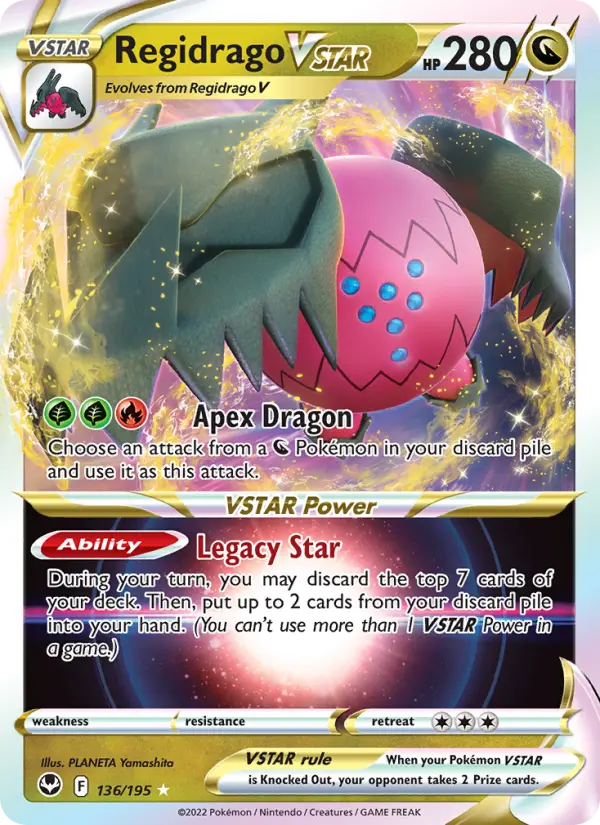
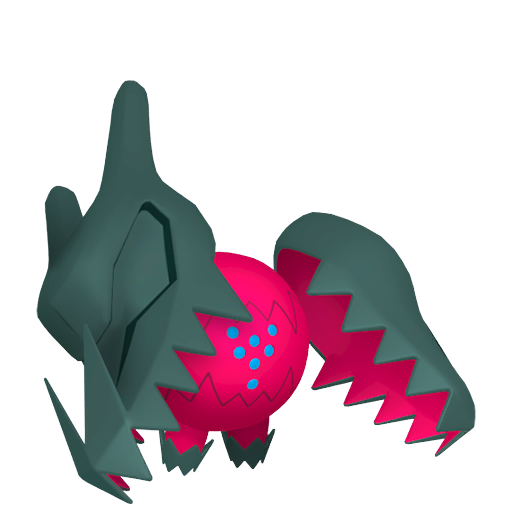
Some local trends may emerge and the metagame did shift slightly as players started experimenting with various decks, but Regidrago was clearly, as expected, the most represented and the most successful deck. It won 9 out of 23 tournaments, far ahead of its closest competitor, Gardevoir (three wins), and accounted for about a third of the decks that made top cut. Here's the repartition of decks in top cut over the course of the Lumiose Tour:
 Regidrago: 28

 Lugia: 8
 Ceruledge: 7
 Shadow Rider: 6
 Gardevoir: 5
 Mega Absol: 5

 Evo Vileplume: 4
 Tsareena: 3
 Dusknoir Spread: 3
 Iron Thorns: 3


 ADP: 2

 Electro Rain OTK: 2
 Slowking: 2
Others: 12
My experience
This section is more subjective, but as the person who played in the most events in the Lumiose Tour (13 of them), as well as the most successful (12 top cut appearances, including 6 wins), I thought it would be interesting to review my experience.
Like last year, I decided that I would play a different deck to each event in the Lumiose Tour, in order to challenge myself as well as showcase the variety of the format. I think it was a really good idea, and I was happy to find that there were many decks that were, in my opinion, enjoyable to play.
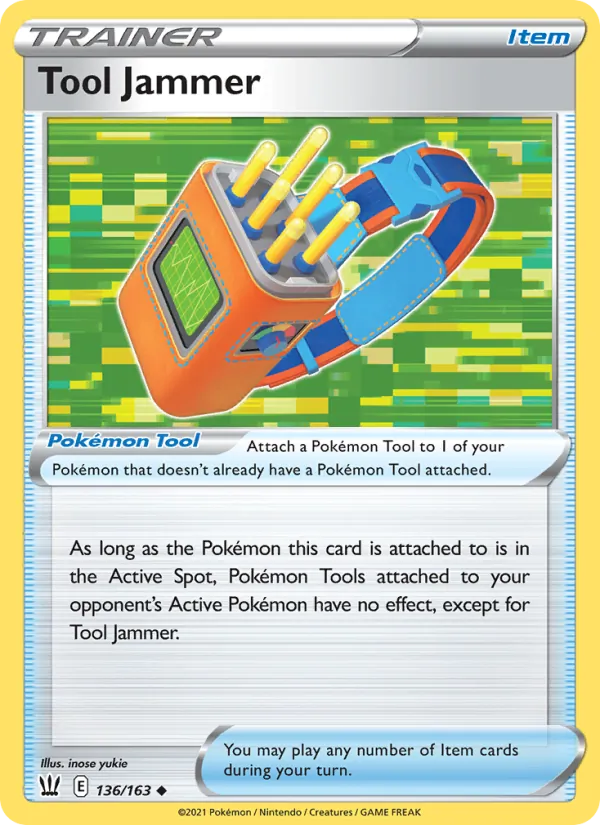
My first event in the Lumiose Tour was the only one where I didn't make top cut: I bubbled at 5th place with a 3-1-1 record, playing Snorlax Stall. I expected people to not be very familiar with Expanded Stall and thought it would be good to play the deck very early, before anyone else did it, because then the player base would adapt. Unfortunately, I was, myself, not familiar enough with Aichi decklists, and ended up tying against Absol / Garbodor. I didn't remember that the typical 
 Oranguru decklist played Escape Rope
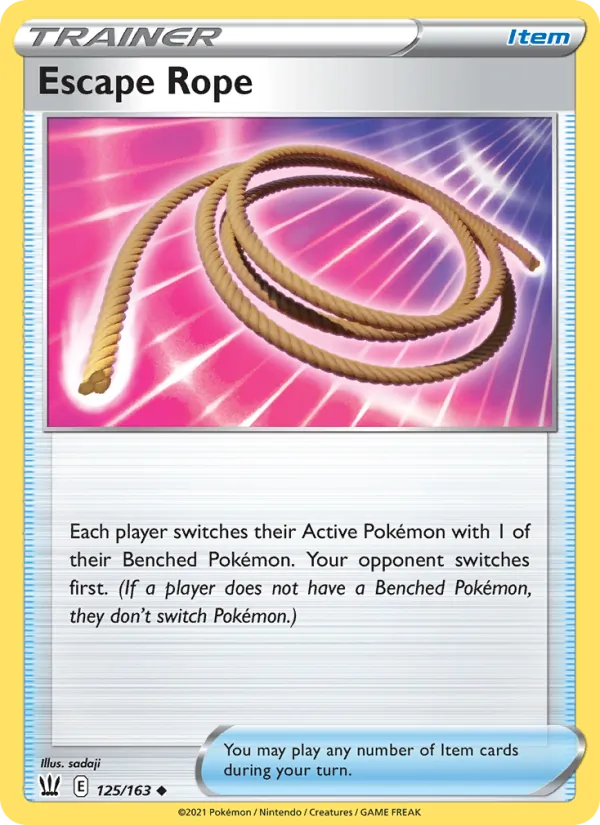 . If I'd remembered that, and that it didn't play Field Blower, I could perhaps have navigated the match better and set up a winning board state. Ideally, the plan is to lock Garbodor
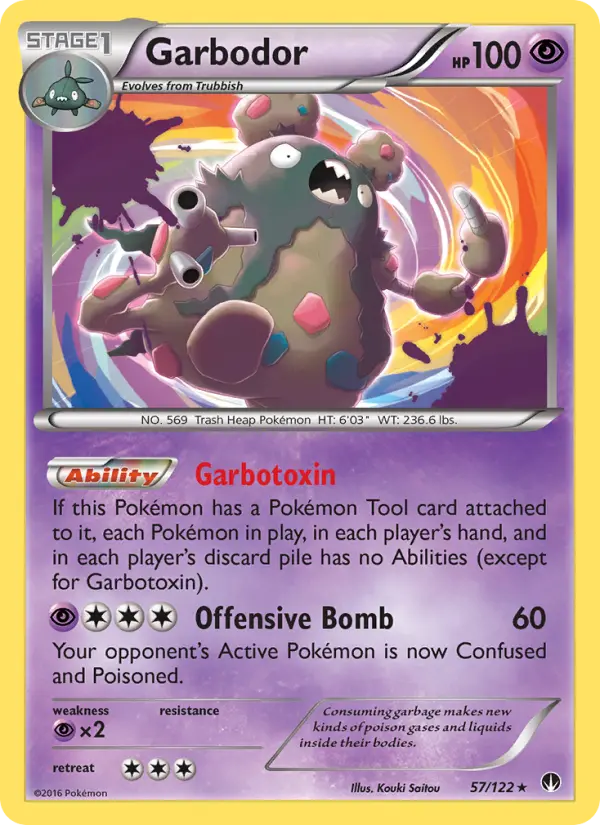 in play by having a Regirock
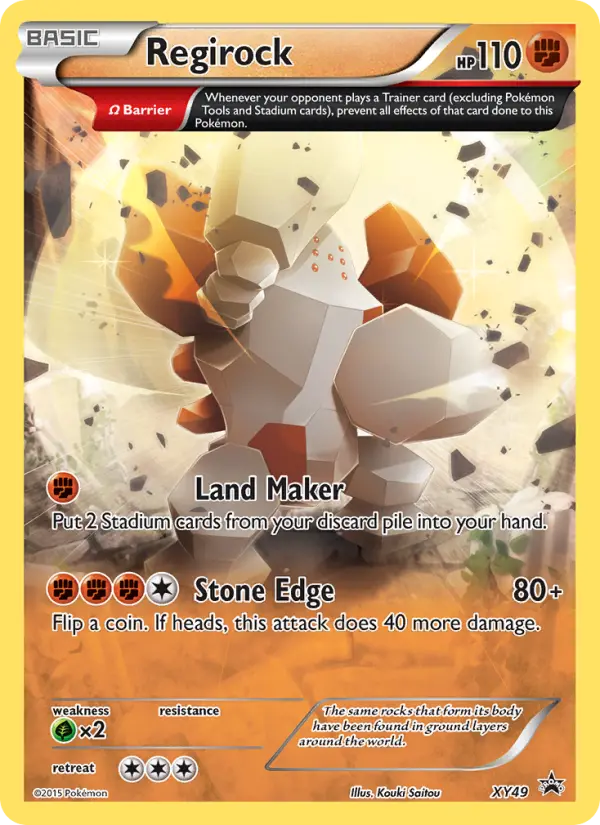 in the Active Spot with Tool Jammer on it, preventing its retreat, and nothing on the Bench for the opponent to Guzma
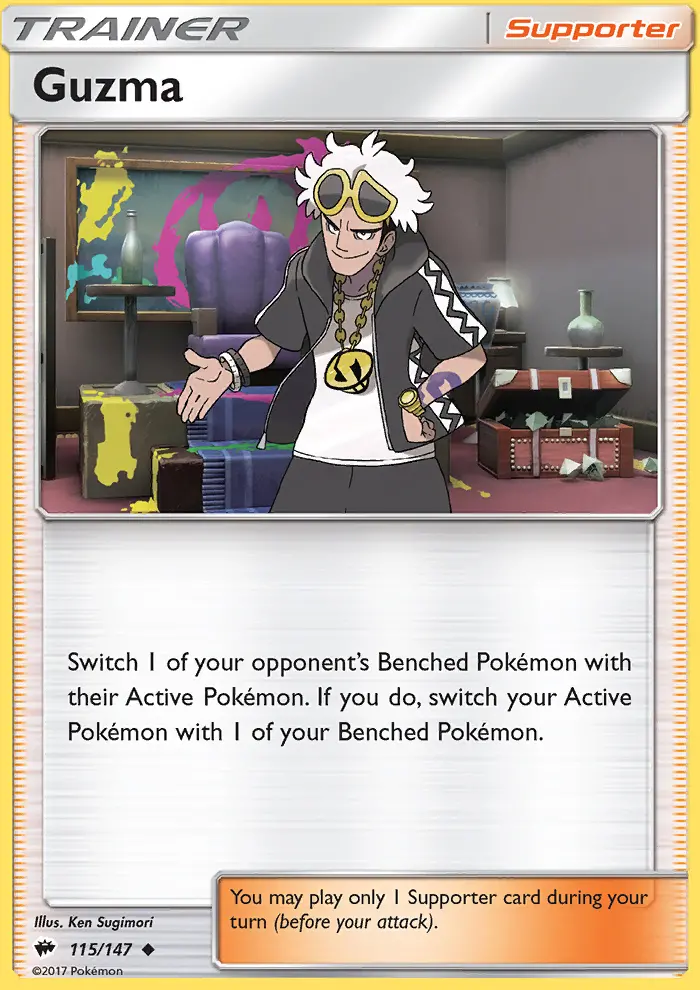 . However, if you know that your opponent has no way to get rid of Tool Jammer even if it's not on Regirock, you can lock up Garbodor with any Pokémon + Tool Jammer instead (or even Snorlax
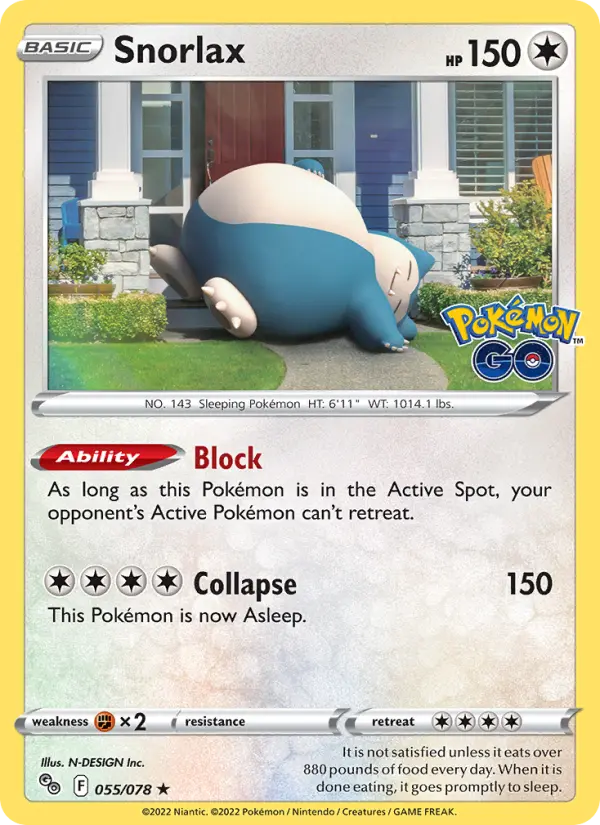 + Stealthy Hood
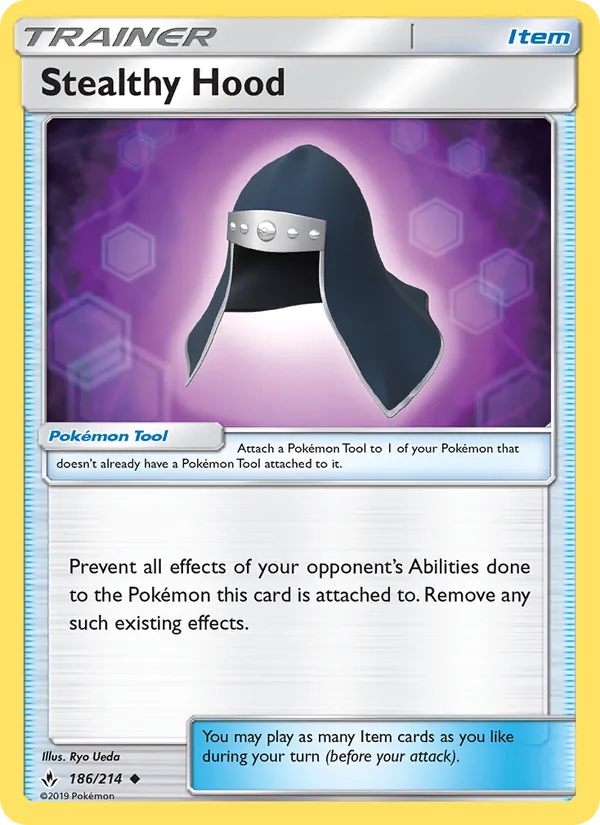 ). After that, I proceeded to lose to Lugia (a terrible matchup), and though I won my other three matches, it wasn't enough to make top 4.
The next day, I played Regidrago, feeling that it would be nice to play the deck before everyone is used to playing against it all the time. It went well, but I ended up losing the finals in a mirror match.
On the next weekend, I headed to Reims, in the east of France, with a group of other Parisians, in order to play in two more tournaments. On the Saturday, I won playing Evo Vileplume. My decklist included a 3-2 Mega Lopunny line and Acerola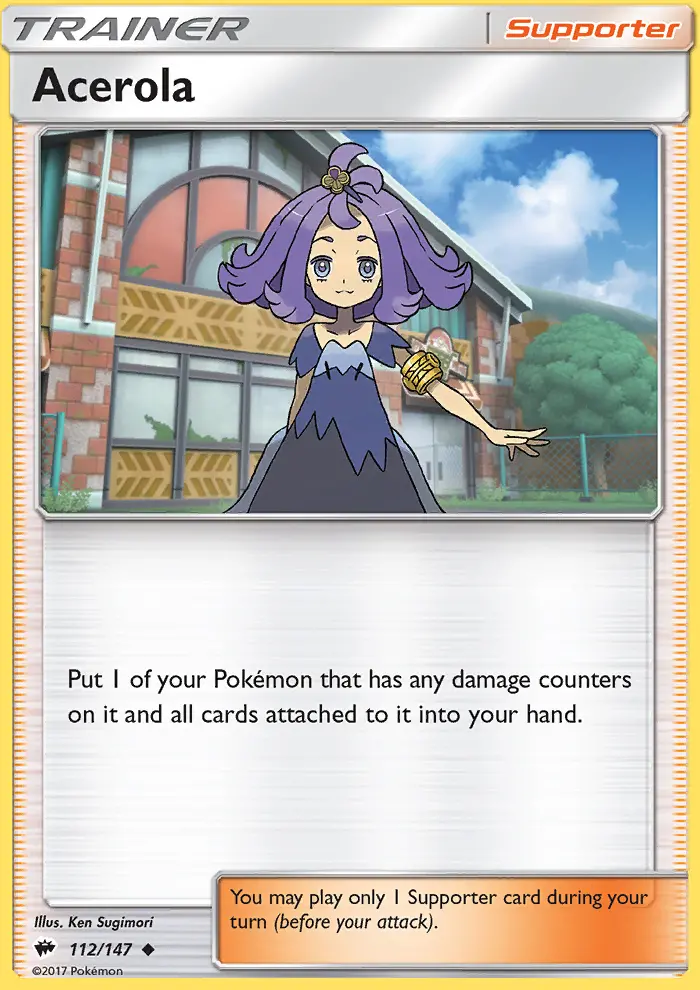 , and I think this was a very effective choice, including in the mirror match, which I had to play. Then, on Sunday, I unveiled my secret deck: Slowking Spread, a variant of Slowking that uses the Roxie
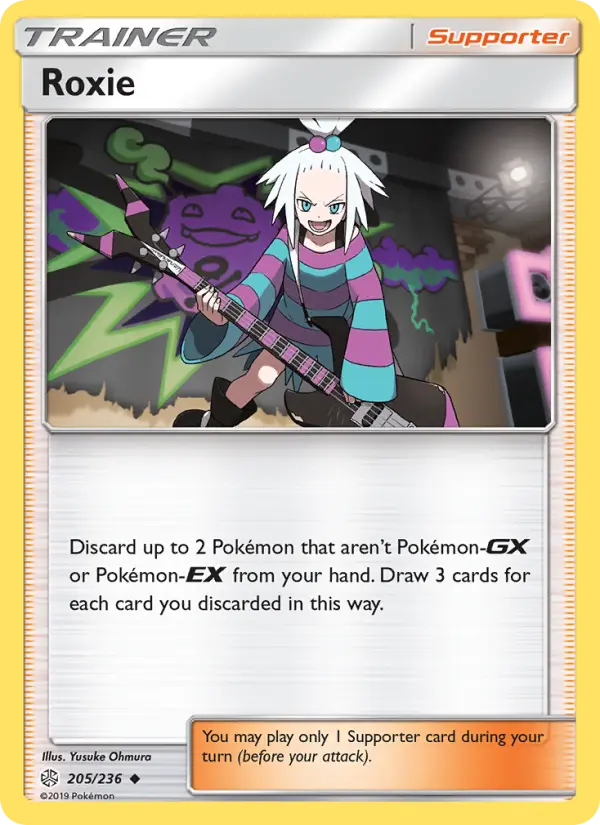 + Koffing
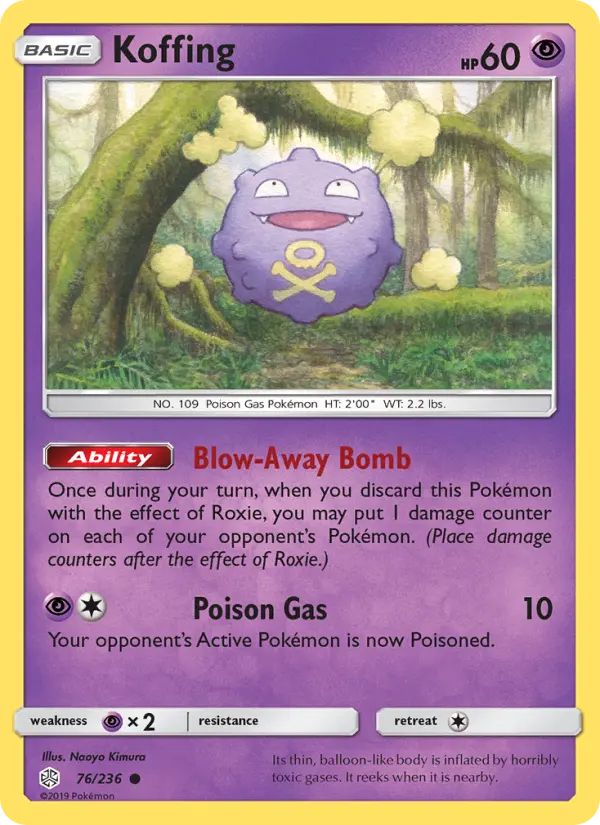 engine to draw cards and put damage on the opponent, and Kyurem to destroy the opponent's board (with Lillie's Clefairy ex and Wide Lens
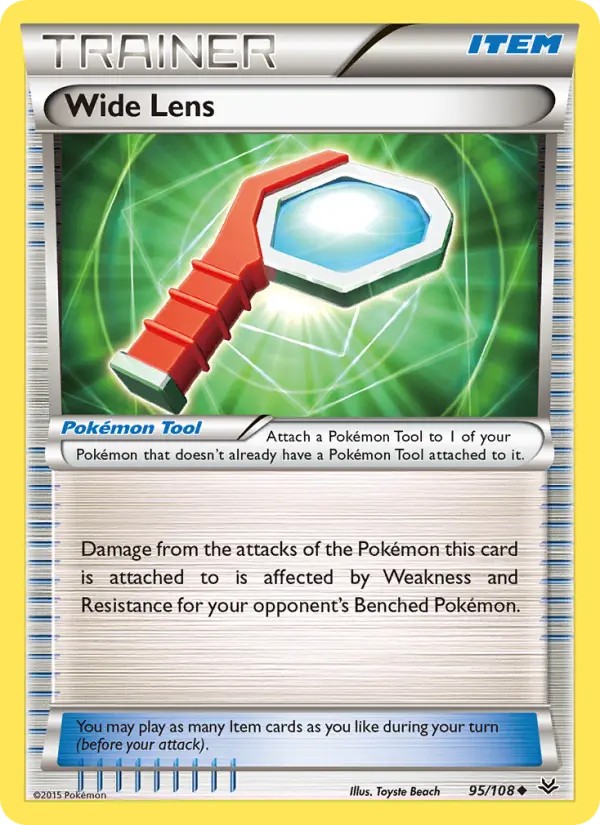 for the Regidrago matchup). The deck is a bit degenerate but the combo worked well, and I ended up making top 8. However, I then lost to Mega Absol / Garbodor, a difficult matchup. Regidrago ended up winning the tournament, its fourth win in five events at this point.
After that, on my next event, I played Gardevoir. I had a theory that even though Precious Trolley is the most commonly played Ace Spec in this deck, Secret Box is better. It usually allows for a similar set up on turn 1 (Buddy-Buddy Poffin + Artazon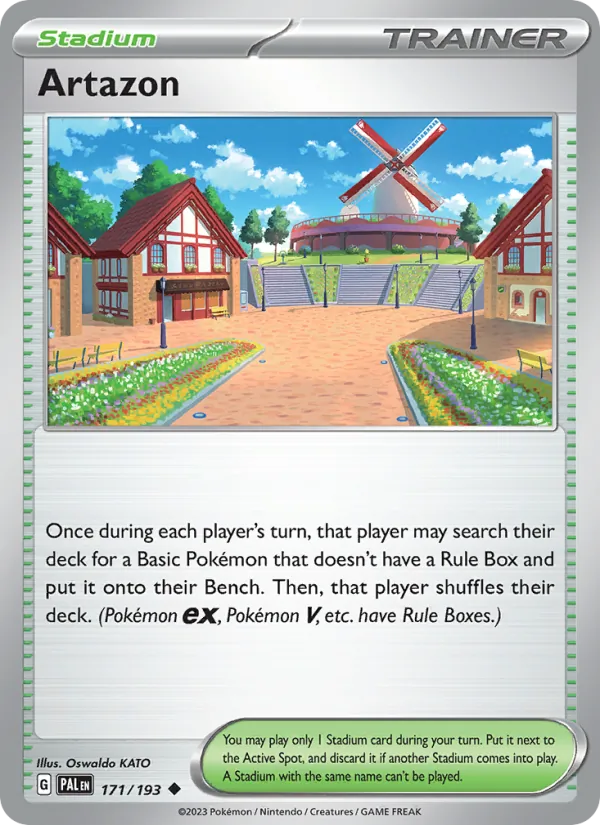 let you get three Pokémon), but you can also grab a Supporter for the next turn. The deck's Regidrago matchup is far from easy, but I was able to triumph by beating it in top 4 and in finals, in two very close series.
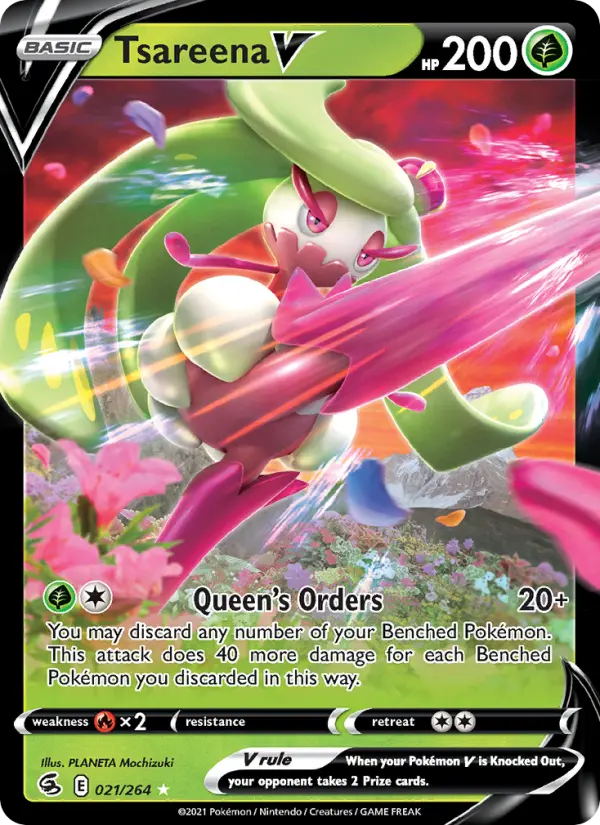
On the next day, I won a third tournament by playing Tsareena. There was no particular reason to play the deck, except that I love it. At this point, it seemed like no one was playing Sudowoodo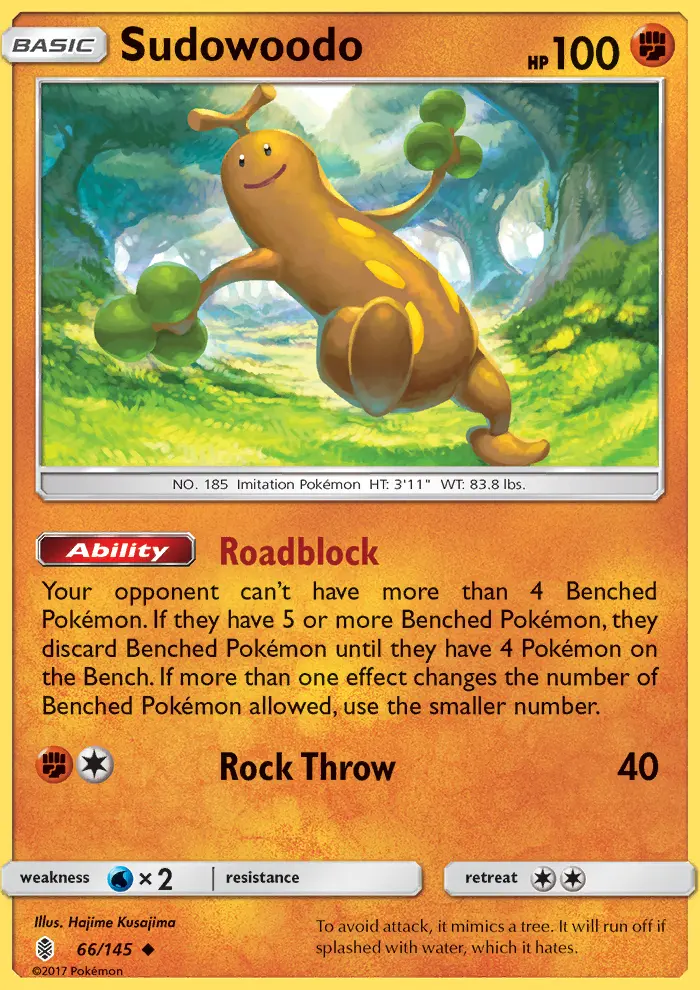 , and that's an environment in which Tsareena can thrive. The deck works very well against some top tier decks, the main issue being its very sketchy Regidrago matchup. I was able to beat it in top 4 (after that same player destroyed my in Swiss), but I definitely got very lucky that he whiffed on a very likely win in game 3.
My next choice of deck was ADP Bolt. I didn't have time to practice a lot, so I just took a Japanese decklist and played it. I have to admit that I found the deck a bit awkward to play. It definitely makes sense to run Double Dragon Energy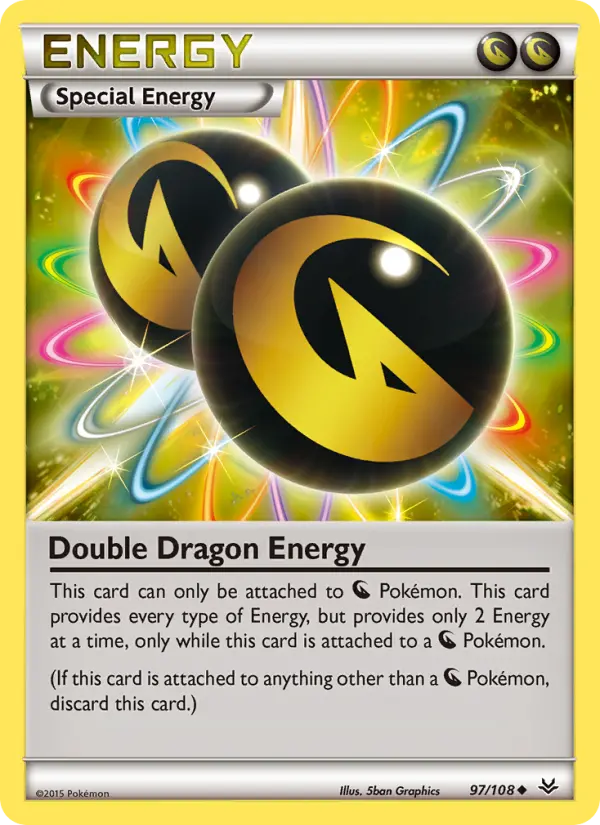 for the turn 1 Altered Creation GX as well as to power up Bellowing Thunder, but since you have to discard Basic Energy, you still need ways to get Energy in play to actually do damage. Against high HP targets, the Energy from something like Galarian Moltres V
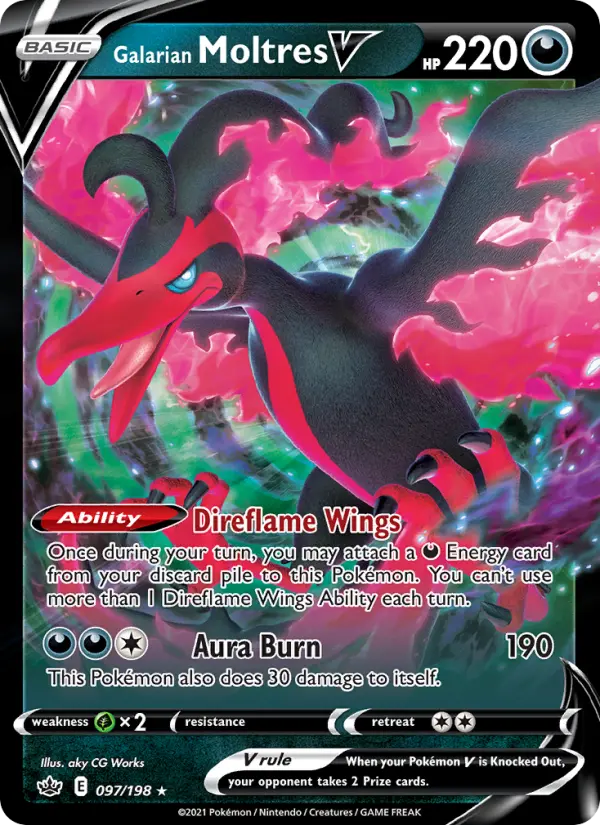 isn't enough, and you usually need to play Professor Sada's Vitality
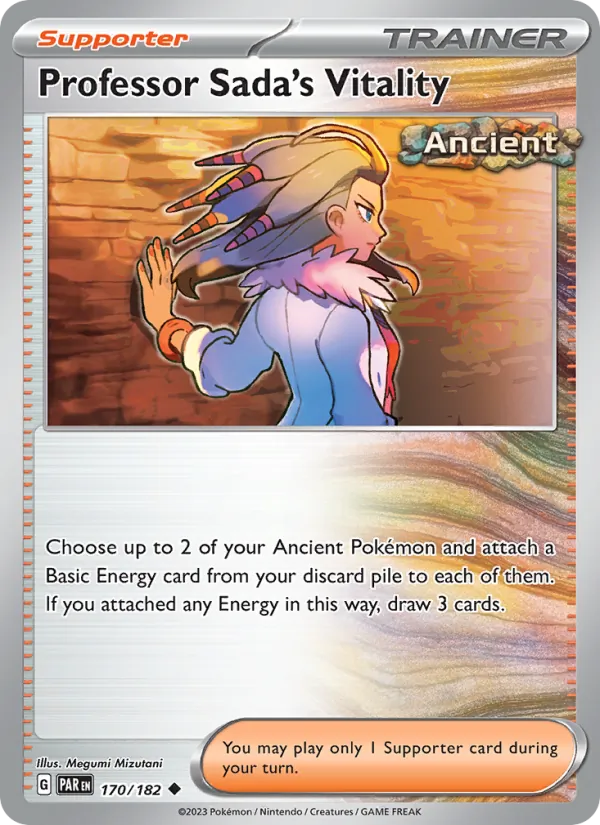 , which means that you'll get a Basic Energy on Raging Bolt ex already, so Double Dragon Energy is worse than just attaching a second Basic Energy to fulfill the cost of the attack. ADP Bolt is still a strong deck, but it's not very resilient to disruption and it's Regidrago plan only works against specific variants. I ended up losing in top 4 against Ceruledge, which is, in my opinion, a better choice if you like aggro decks that aim for pure OHKOs.
The next weekend, I played Dusknoir Spread to one of the smallest events we had so far (the issue with running tournaments in the middle of July is that some people are simply away on vacation). It's not the easiest deck to play, but it does feel very strong when you manage to keep the opponent's attackers out of play. I can understand why Medicham V was banned: the deck was likely much better than players gave it credit for at the time, given that even after the ban, the deck can still compete with the top decks of the format. I feel like we're seeing Dusknoir Spread more often in the results of Japanese Expanded events these days, and I wonder if the deck might end up being tier 1 when more people learn to play it.
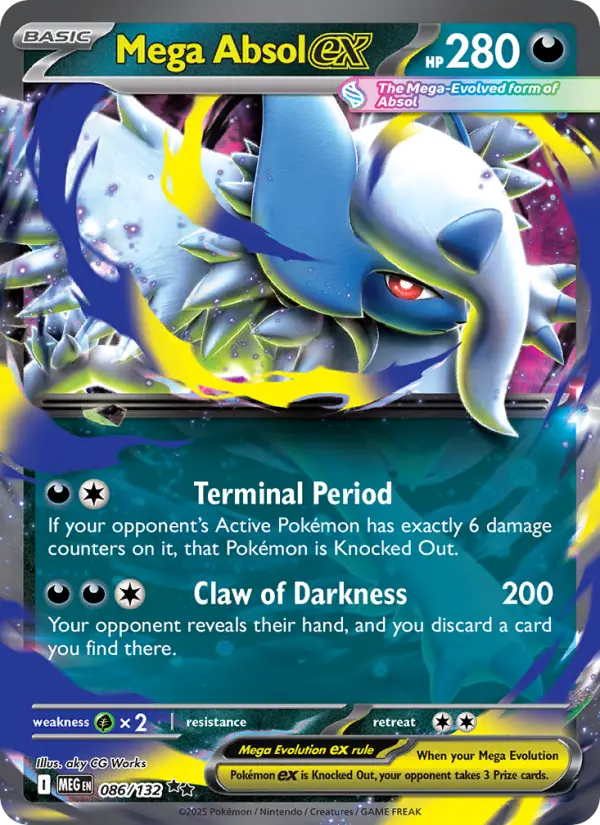
Then, my next choice was Mega Absol / Garbodor. I don't remember if there was a particular reason I played this deck or if it was simply one of the only tier 1 decks I still hadn't played. I was able to win the event, though I did get pretty lucky in the mirror match in top 4. I played the Oranguru V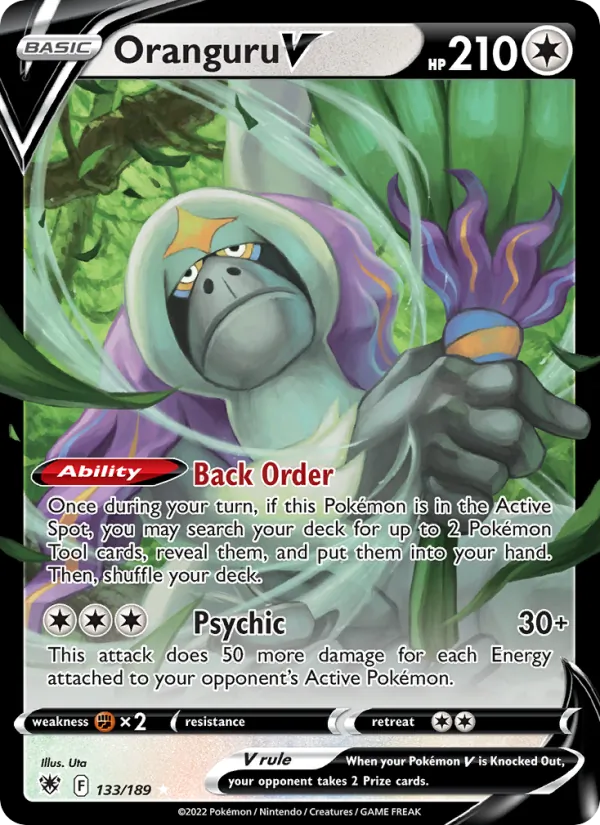 variant that appeared in Aichi, and I'm not surprised that this deck became the most common Absol variant: it feels much more effective at setting up Garbodor on turn 1, and if you can do that, you're in very good shape against most decks in the format. It's not a deck that I enjoyed playing too much, though: it felt like I was winning just by getting my combo out on turn 1 and opponents couldn't do anything. Absol is certainly not unbeatable, but it's a deck you have to respect a lot, and many decks should probably run one more Field Blower
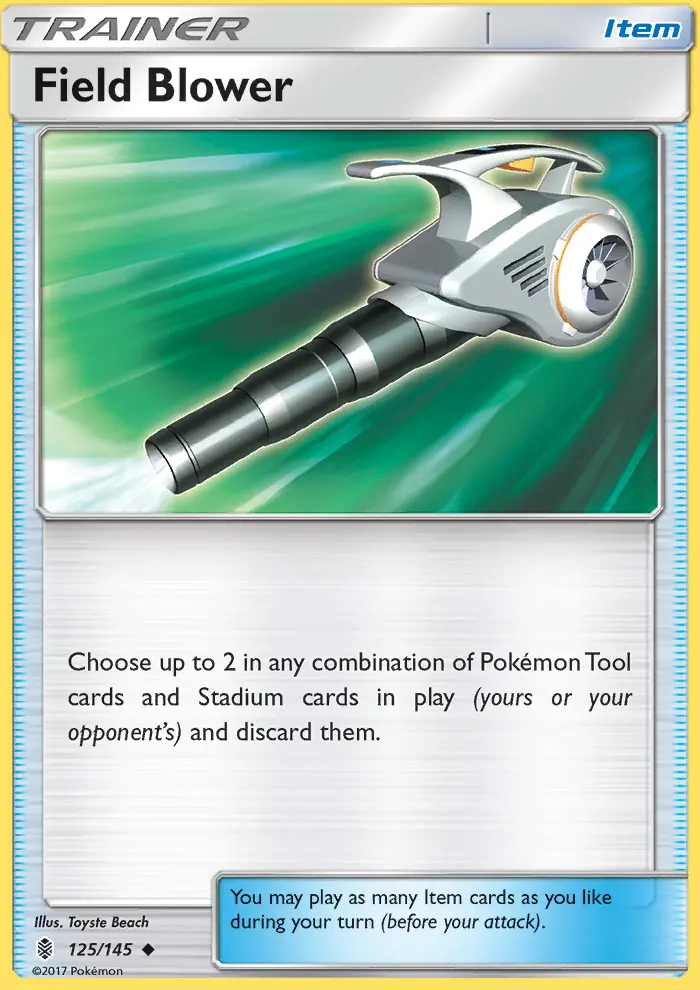 than they're currently doing, in order to improve this matchup.
Next on my list was Quad Thorns. If Absol was gaining popularity, Iron Thorns ex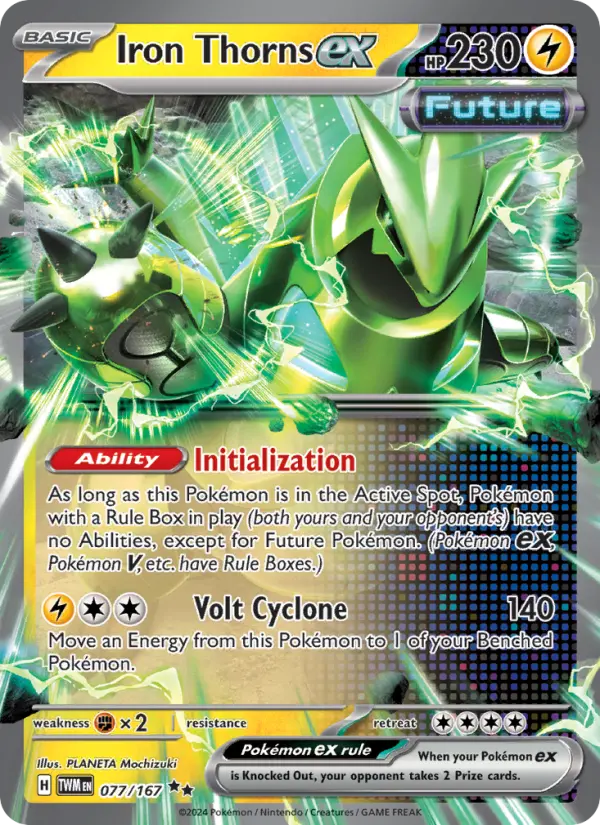 seemed like a good way to beat it, since it doesn't care about Garbotoxin, and it's very difficult for Absol to set up under Initialize. The deck was effective, though I ended up losing an interesting set against ADP Bolt in top 4, which went on to win the event. Quad Thorns is a strong deck, and as you might expect, running a control decks works well when people aren't used to playing against it. That said, it's very linear and not the most fun variant, in my opinion.
After that, I played Ceruledge. I'd spent some time trying to improve the classic Unown decklist, and ended up running only 3 Charcadet and a Hisuian Heavy Ball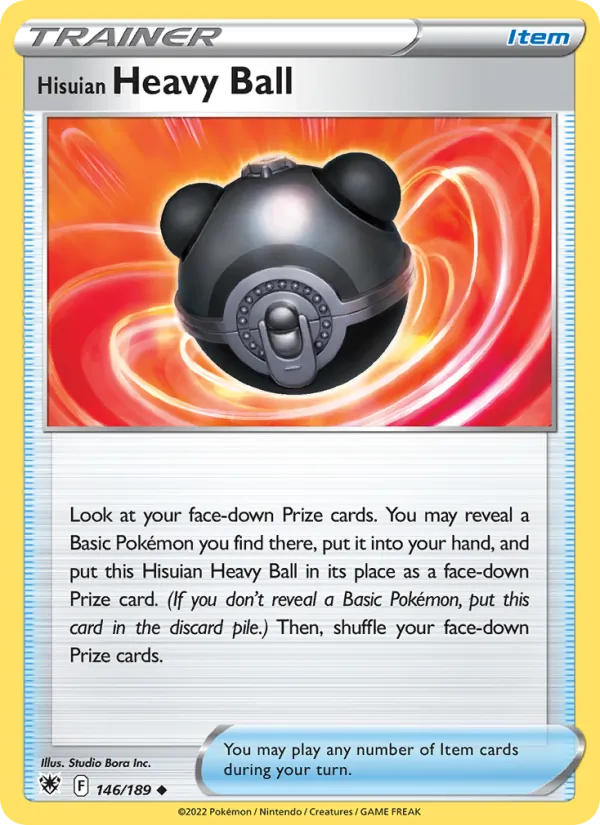 , among other small adjustments, to make it easier to end turn 1 with Klefki
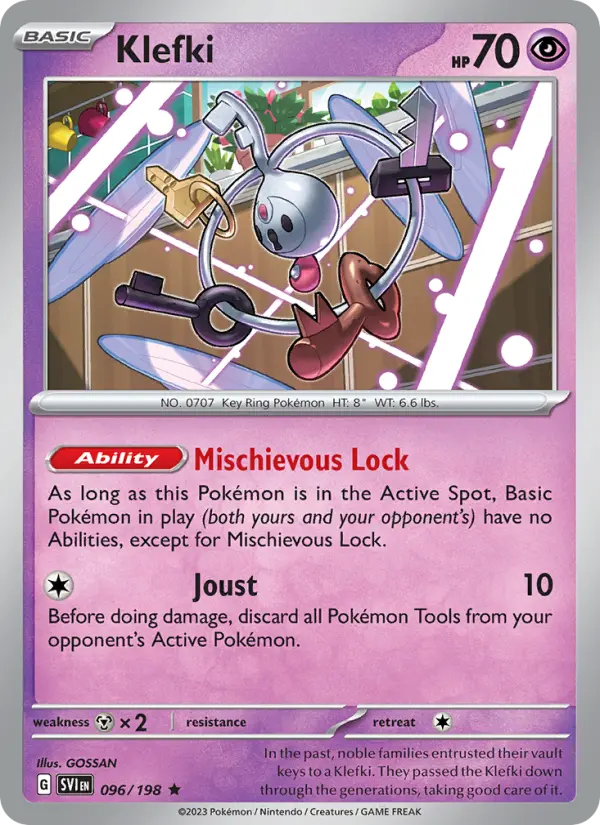 in the Active Spot, then start taking a KO each turn starting from turn 2, no matter the opponent. After losing round 1 to Regidrago, I climbed back, but ended up losing to my own Tsareena list in the finals. It's the kind of matchup that's perfect for Tsareena: with very little disruption, it's free to take KOs, and since it can take extra Prizes with Jirachi ◇
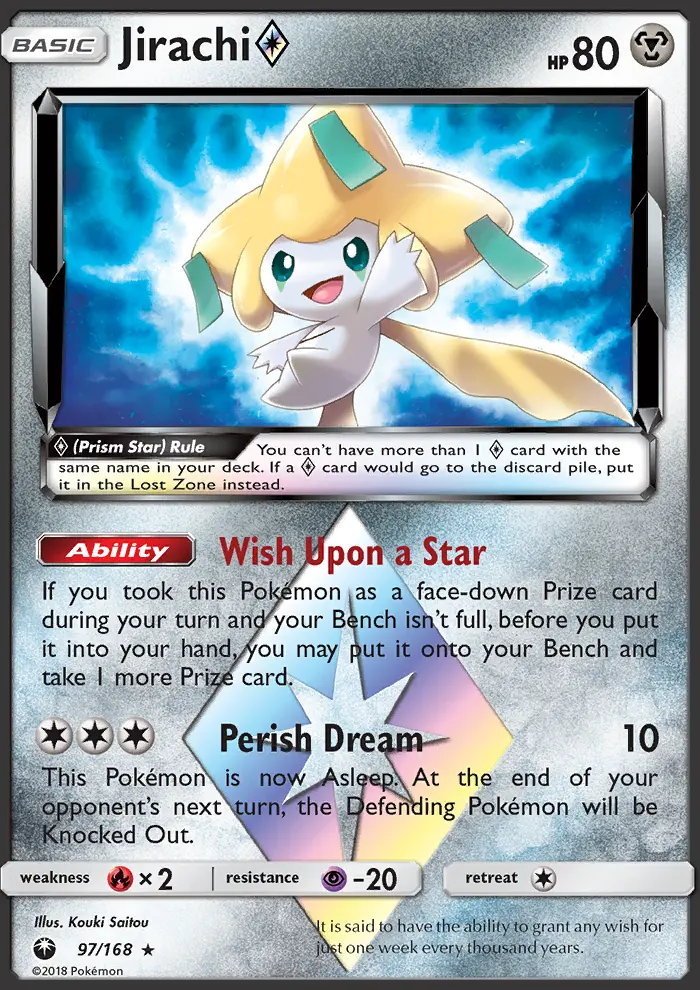 or the spread from Giratina
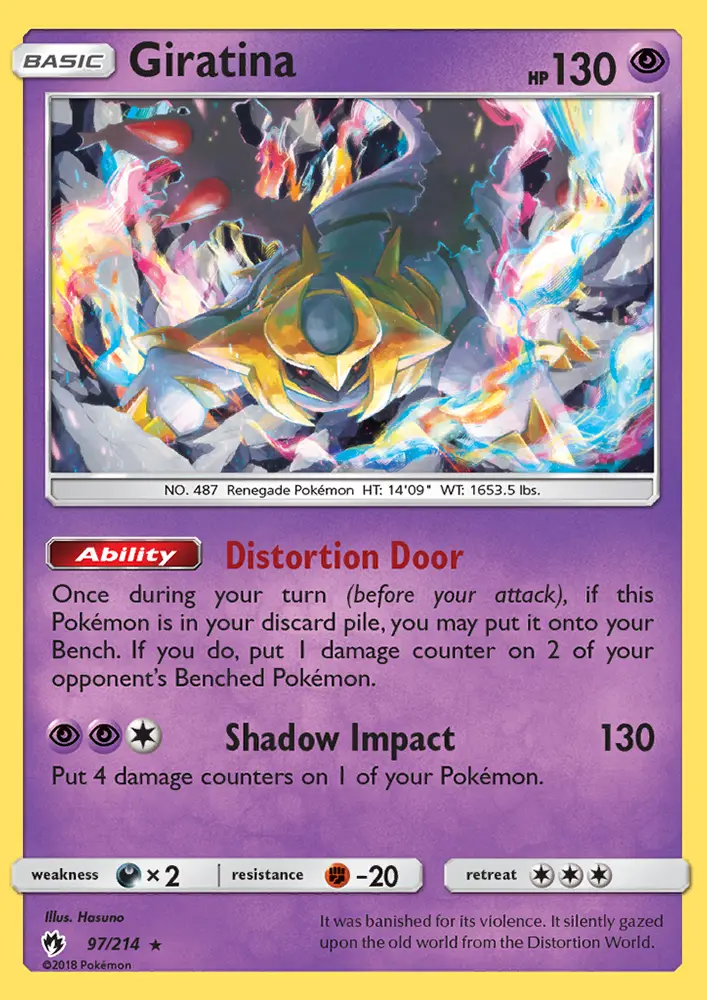 and Absol
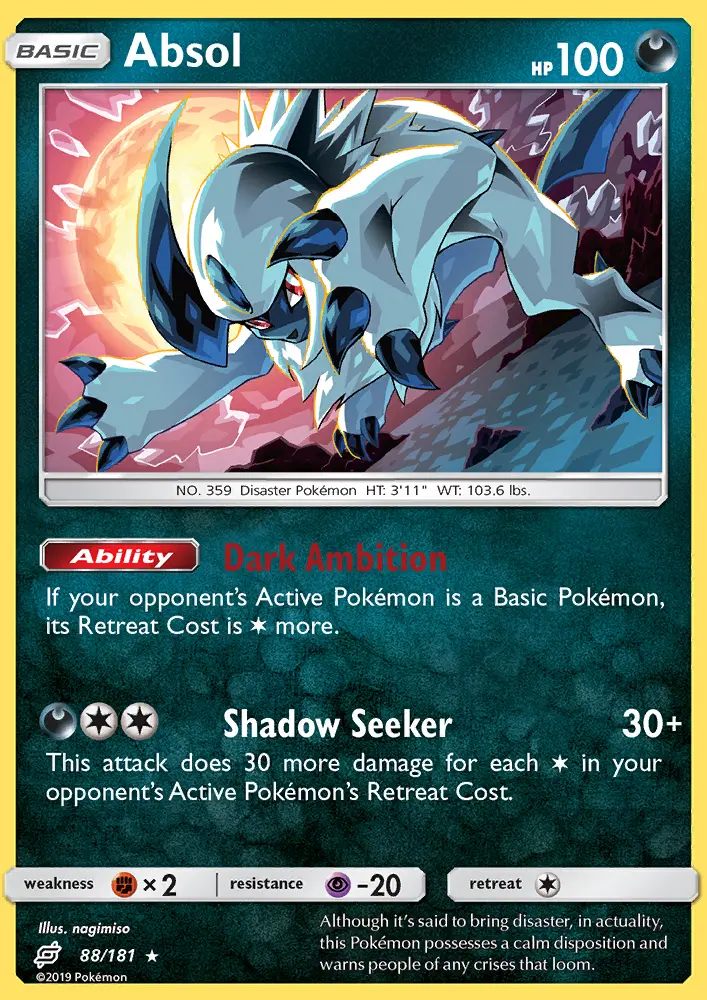 , it doesn't lose the Prize race.
Finally, came the last weekend of Parisian events. It was disappointing to not be able to get enough players for a top 4, but at this point, we were in August, and many people were having fatigue from playing in multiple events, while others were away on vacation or focusing on Standard. I won the Saturday tournament with Shadow Rider, one of my favorite decks, which I teched to be better against Absol though no one ended up playing it. And finally, on Sunday, I decided to bring a new variant of Lugia running Speed Lightning Energy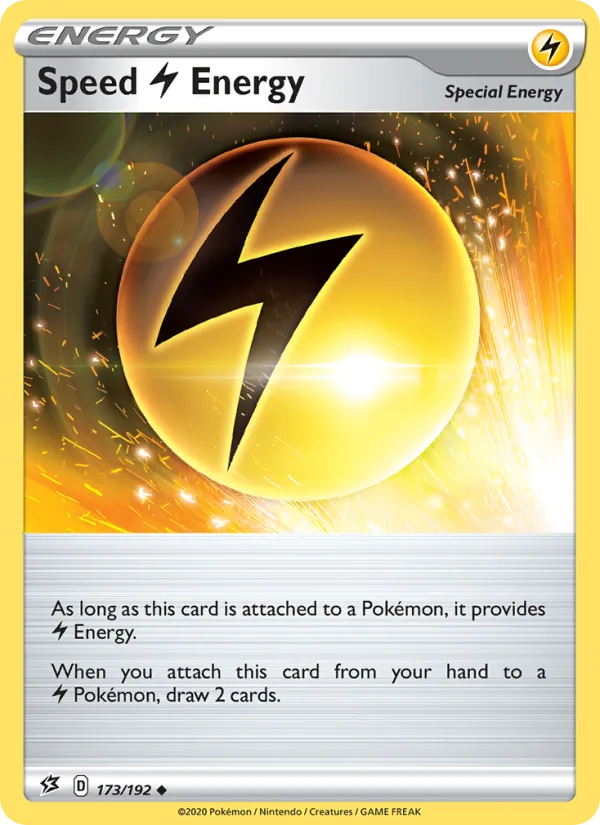 , Voltaic Lightning Energy
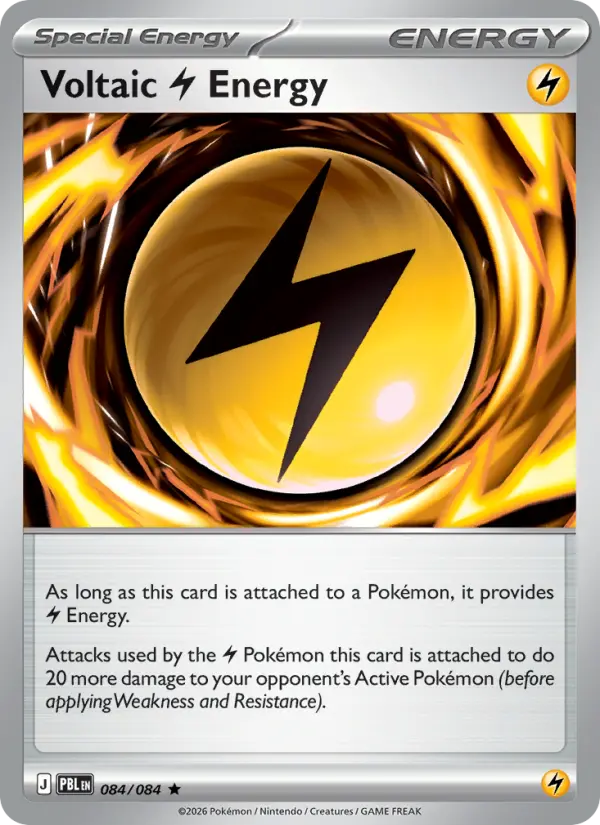 and Lightning attackers. I'd seen a few "Lightning Lugia" lists from Japan, though it was unclear if they were actually good, so I decided to build my own and give the deck a try. I went 2-0-1 with the deck, and left without being sure if that variant was actually strong or not.
Generally speaking, I had to play against way fewer Regidrago decks towards the end of the tour, and I think that's because many of the people still playing were the creative types that wanted to try rogue archetypes or their own creations.
All in all, though, I went 16-5-1 in matches against Regidrago (34-18-1 in games). Of those five losses, two were when I was playing Regidrago myself. My takeaway is that there are many more decks that can beat Regidrago than you'd expect, and while I'm not disputing that Regidrago is the BDIF, it's not broken compared to its competition, it's just generally stronger. Yes, some of these wins were against inexperienced players, or people who didn't know what my deck was doing until it was too late. In an event with higher stakes, it would have been harder to beat prepared and motivated Regidrago players. But I think that speaks to the strength of the Expanded format: Regidrago is great, yes, but it's not like it autowins other decks. It still needs to be played precisely in order to beat other decks, and there's a lot of room for a good player to turn an unfavorable matchup around if they know what they're doing. And as this year's Champions League Aichi proved, even at the highest level, Regidrago is definitely beatable. In any case, I'm definitely convinced that Regidrago doesn't need any bans right now.
Reception
After the Lumiose Tour concluded, I ran a survey about it which gathered more than 60 responses (mostly from people who participated, but some people who didn't also wanted to give their opinion). Most people were happy about the Lumiose Tour, which I'm pretty proud since I invested a lot of time in coordinating everything, talking to organizers about dates and rules, and so on. There are definitely things we can improve, especially regarding communication, and I'm hopeful that we can do even better next year. That being said, I'd like to share some of the feedback we got.
First, while respondants included regular Expanded players, people who had played a couple games before, and people who had never tried it, most people ended up with a good opinion of the format. On a scale of 1 to 5 (5 being the best and 1 being the worst), 83% rated the format 4 or 5, 12% rated it 3, and only 5% rated it 1. Also, when asked whether their opinion of Expanded changed after playing in the Lumiose Tour, 38% said that playing gave them a better opinion of the format, 40% said it didn't change their opinion, and only 3% answered that they had a worse opinion of Expanded now. (The remainder didn't have an opinion of Expanded before the Lumiose Tour.) While obviously, a survey of people who played Expanded is probably going to be biased in favor of Expanded, and people who didn't like it are probably less likely to answer that survey, I'm still happy to see that when given a chance to play Expanded, most people enjoy it, and their opinion of the format tend to improve, showing that the format is better than people expect.
The Lumiose Tour was also a way to test some elements of the competitive structure. I strongly believe that Expanded is much better being played in best of three, and it seems like most people agreed: 89% were happy that the Lumiose Tour had BO3 rounds, with only 5% disagreeing (and the remainder were neutral about it). To be fair, I think that BO3, including at League Cups, is more popular in France than in, say, the US, but I think that's still a higher number than what we'd find if we polled players after a series of Standard League Cups.
In many of the tournaments (though it was not mandatory), organizers allowed players to look at their Prize cards directly when doing their first deck search (randomizing them afterwards), in order to save time. This is something that I firmly believe would be good for the game in general. Prize checking takes time, is boring, but is still necessary, especially at the highest level of play, when not being aware that a specific card is Prized could mean losing a game. This season, especially, players have complained a lot about it, and the rules changed in order to limit the time that a player can take during their first deck search, though I'm not sure if that rule has been strictly enforced by judges. It's also very boring from a spectator perspective, and I've seen time and time again the hype of a high-stakes game, like the finals of a major event, being killed by the first five minutes of the match being mostly used by players to check their decks. Casters, too, struggle to stay entertaining as they commentate other players doing absolutely nothing. All of this would be solved by simply letting players check their Prizes at the beginning of the game, allowing them to get on with the actual show.
All of this is even more relevant in Expanded, I think, since Expanded decks tend to have more one-of cards than Standard decks, making Prize checking both harder and more important. Because of that, I liked allowing players to check their Prizes upon their first deck search. According to the survey, most people agreed! 52% players were happy with this rule and would also like it implemented in the Standard format, and an additional 18% liked it, though they didn't necessarily want it for Standard. Only 5% disliked it. The remaining 25% either didn't play with this rule, or had no opinion on it. And as an additional benefit, it seems like ties were less common than they usually are.
In the past, TPCI has made adjustments to their tournament structure based on the community's opinion (such as making 5-2-1 rather than 6-2 the cutoff to make day 2 at a Regionals). I'm not sure whether a rule allowing players to check their Prizes during the game is something they could implement, say, at Regionals, but I'd love it if the community would talk about it more so that there's a chance that this eventually gets changed.
Conclusion
Expanded may not have the biggest fan base, but I've seen many times now that when you give people the opportunity to try it (either by having tournaments with proxies allowed, or by lending them decks in the case of Regionals side events and the like), they tend to enjoy it a lot, especially when the Standard format feels stale to many players. What Expanded needs, then, is more events so that more people get the opportunity to play!
In the past months, there have been a few people running Expanded tournaments online. Of course, TCG Live doesn't have actual Expanded, so games have to be played either through webcam or on the community-made online simulator Twinleaf, which is less convenient. But if you like Expanded, consider giving it a try! I've played in a couple of the Wild Area tournaments myself and had a good time.
As for real-life tournaments, given the success of the Lumiose Tour, I'm sure a third edition will be held next summer, and hopefully we can bring more players to it!