It's now been two weeks since the Expanded event of the year, the Aichi Champions League (sadly, maybe the last one that non-residents of Japan could compete in, since a recent announcement on the official Japanese website implies that registration to "some events" will now require a government ID). Most of the top 32 decklists are available on LimitlessTCG, and you can find many more decklists in our coverage of the event (I say "our" as if it wasn't just one person writing all of this). I think it's a good time to talk a little bit about what these results may mean for the future of the format.
First, though, a word of caution: extrapolating from the results of one single tournament is always an imprecise endeavor at best, and that's even more true when the tournament is played as best of one matches, in a format where games can be notoriously volatile. But on the other hand, it's the best we can do.
On a similar note, even discussing how an event will influence Expanded is somewhat absurd. This is not Standard; there's not going to be a Regionals in one or two weeks, or even two months, where players will put in practice what they've learned from Aichi. There's not going to be dozens and dozens of high-stakes City Leagues, or even a dubiously significant but still existing online ladder. Expanded will only be played in small local events, mostly (but not exclusively!) in Japan, where some players will try to play optimized decks while others just have fun with their favorites. So asking "what's going to happen" is misleading: even if a new BDIF emerged tomorrow, we would likely not see it become popular for a while, just because there's no way for it to propagate.
But if you're an Expanded enjoyer, whether you've been for a long time or you want to give the format a try because you're bored of Dragapult mirror matches in Standard, you may be wondering whether you should play the decks from Aichi or if there's some adaptations to make or to expect, and that's where, I think, this guide finally finds a reason to be.
The fall of Regidrago
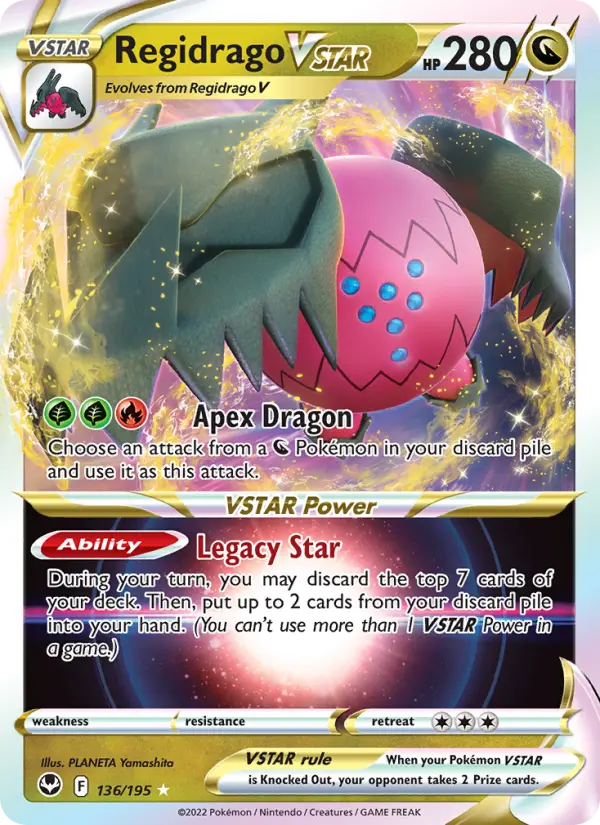
It's the most notable news to come out of Aichi:  Regidrago, considered the BDIF to the point that people expected it to succeed even more than last year (where it had 13 spots in the top 16), failed to reach the top 8. Some called it a miracle, or announced that the format was saved. Personally, I don't think that Expanded particularly needed saving, but seeing a diverse top cut is pretty encouraging for the format's public image, if nothing else. It's also reassuring to now that many decks that are not Regidrago can do very well.
Let's not be fooled, though: Regidrago is still very much the deck to beat. The Shadow Rider deck that won included Mimikyu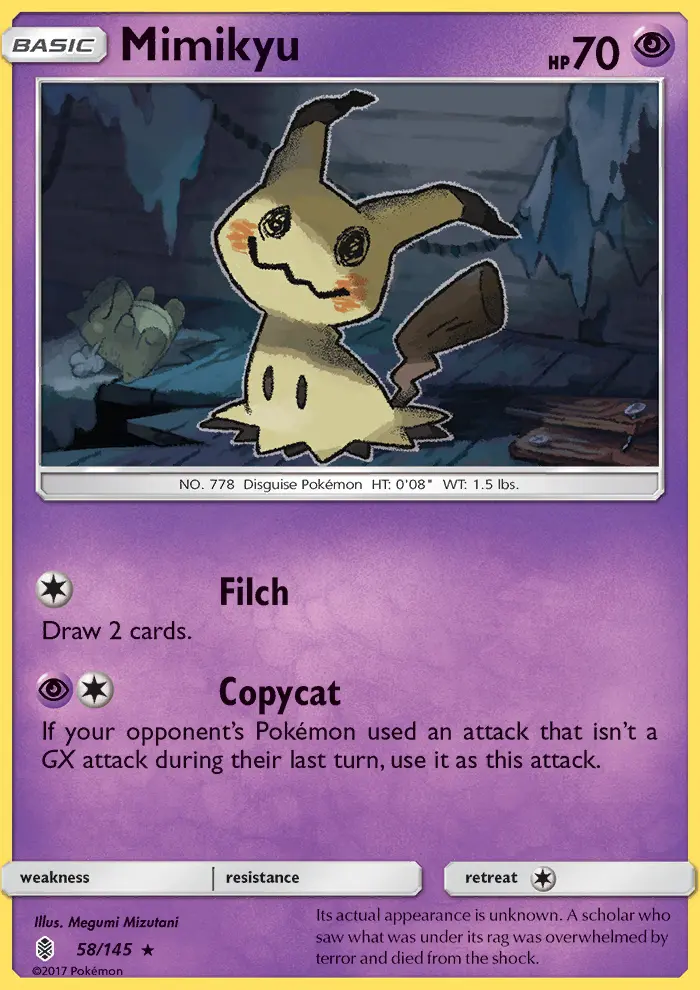 + Lillie's Clefairy ex
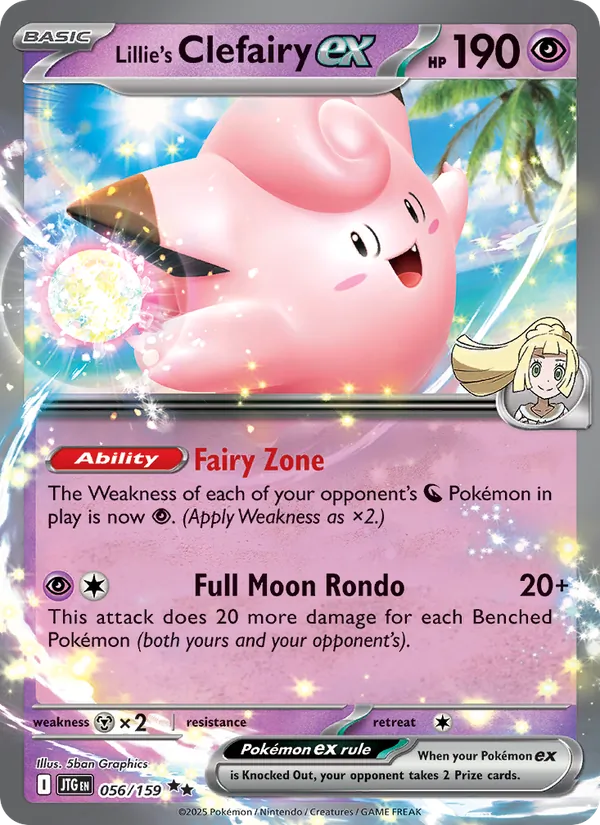 + Dialga GX
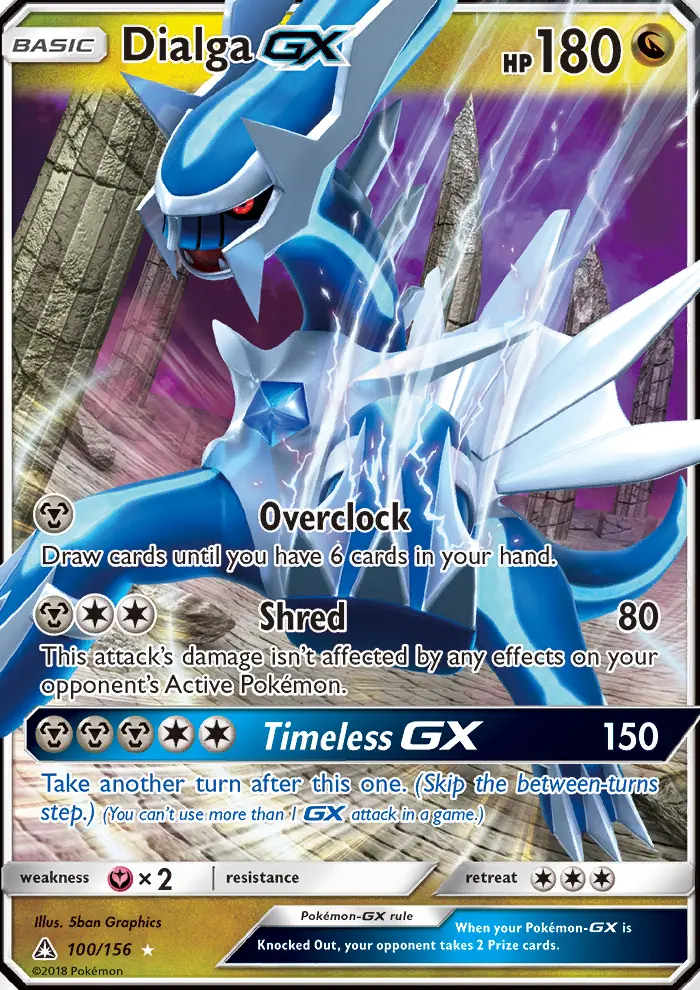 , and that's something you only do if you're convinced you're going to play against a lot of Regidrago. Decks still need a win to beat Regidrago or they're not even worth considering playing competitively. Regidrago wasn't overrated, people just found weaknesses to exploit. Ironically, its own popularity and success was its downfall. With so many preparation tournaments before Aichi ending up with at least 5 Regidrago decks in top 8, everyone was ready to face Regidrago.
And that included Regidrago players themselves, who premiered some new techs for the mirror match. For example, Echoing Horn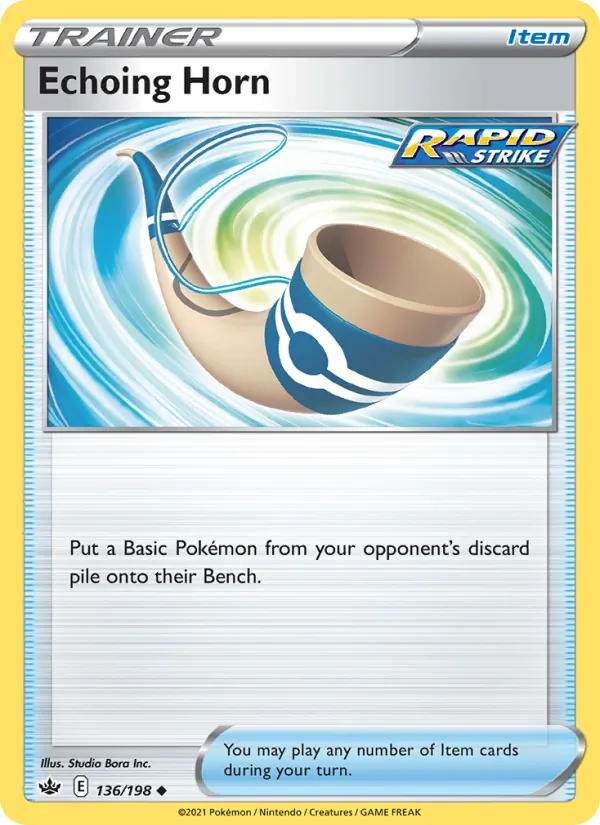 made an appearance into multiple Regidrago lists in top cut, as it can be used to bring back Budew
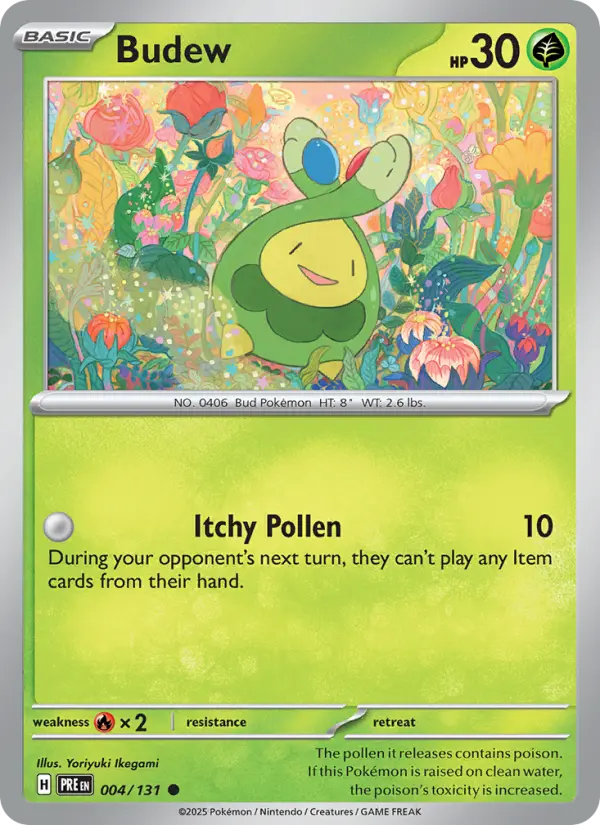 from the discard in order to KO it with Phantom Dive, letting a player who had an odd number of Prizes remaining go back to even. It's also very good to put an opponent's Dialga-GX or Koraidon ex
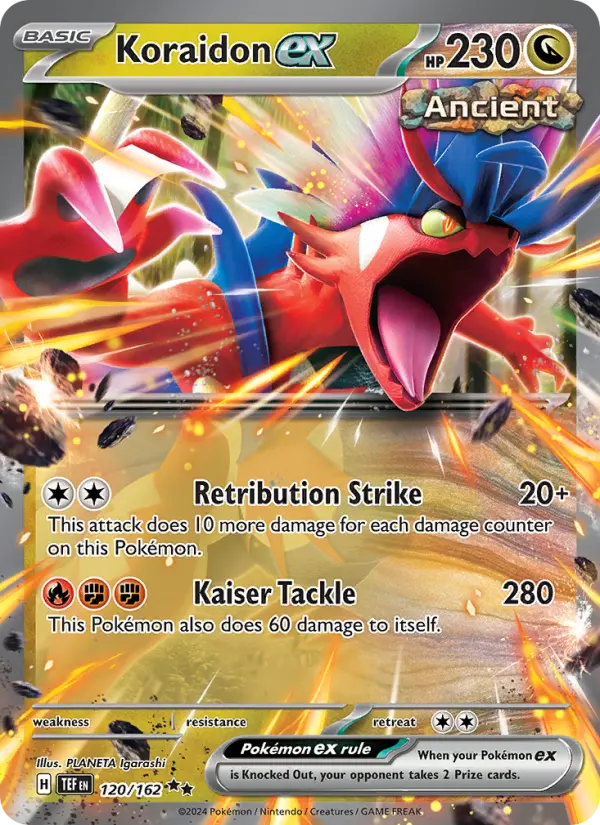 on the Bench, in order to stop the opponent from copying their attacks with Apex Dragon. Quite a bit of players also put Hisuian Goodra VSTAR
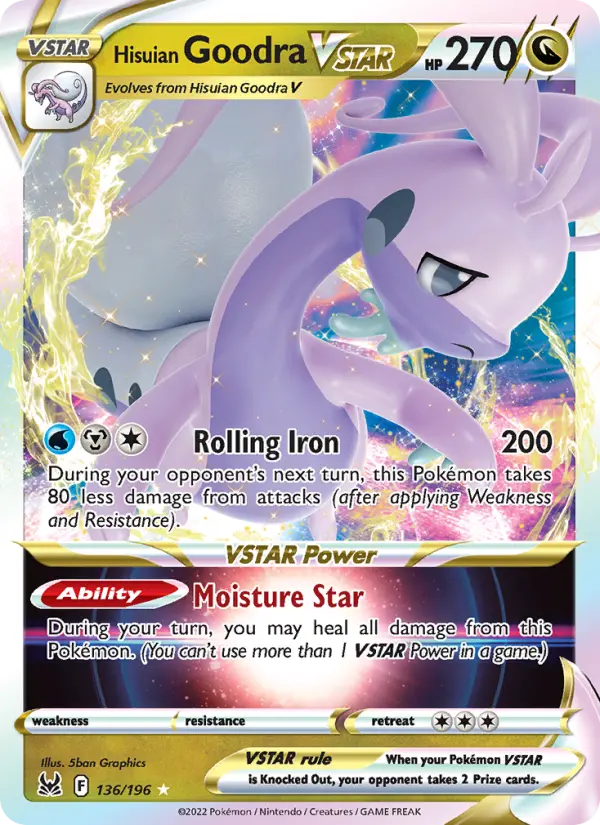 back in their decks. This is not exactly a new tech, but it was abandoned for a long time. However, with most players cutting Pokémon Ranger
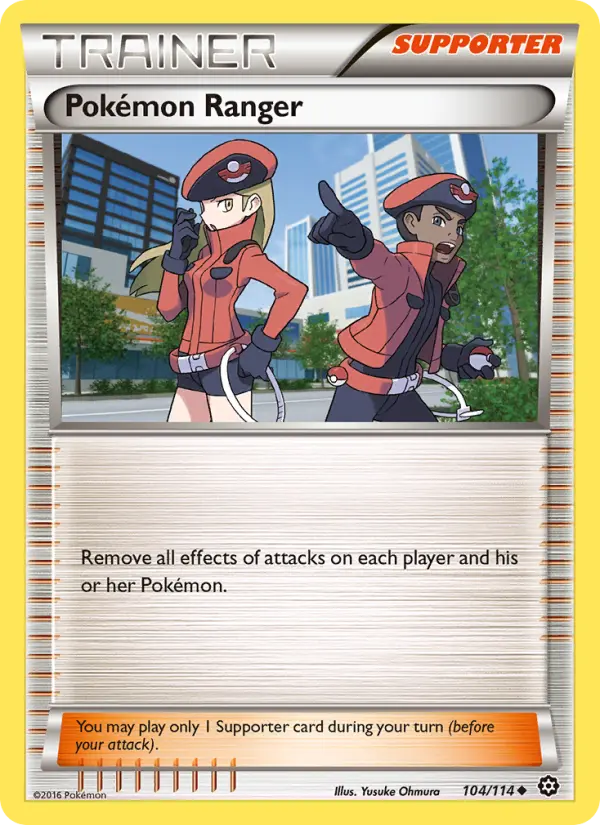 from their lists, the value of Goodra rose again, as Rolling Iron stops Regidrago VSTAR from being KO'd by Timeless GX followed by Noivern ex
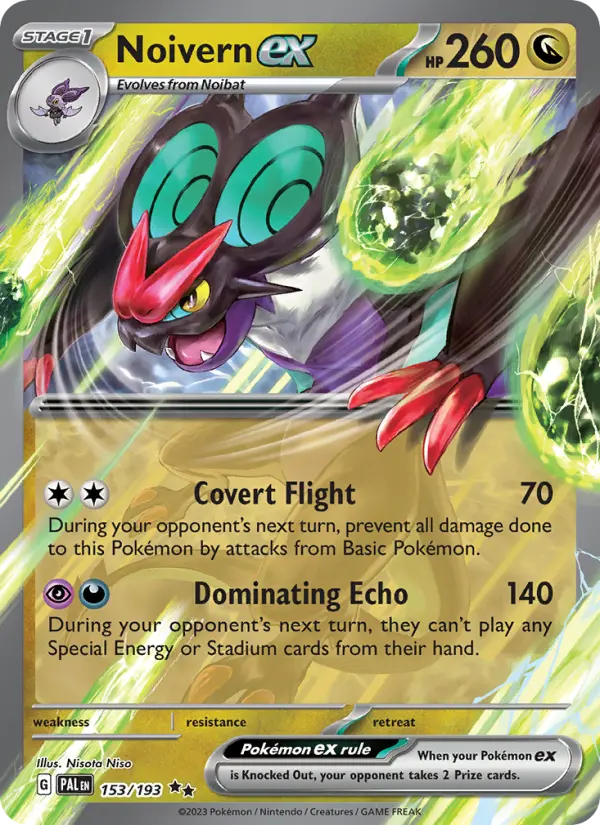 's Dominating Echo.
But by focusing their lists on the mirror match, Regidrago players had to give up on counters for other decks, and that's where powerful but fringe strategies can shine. 
 Electro Rain OTK and
  Snorlax Stall are on complete opposite sides of the aggro/control spectrum, but both benefitted a lot from most of the player base not paying much attention to them. Both ended up in the top 4.
Sudowoodo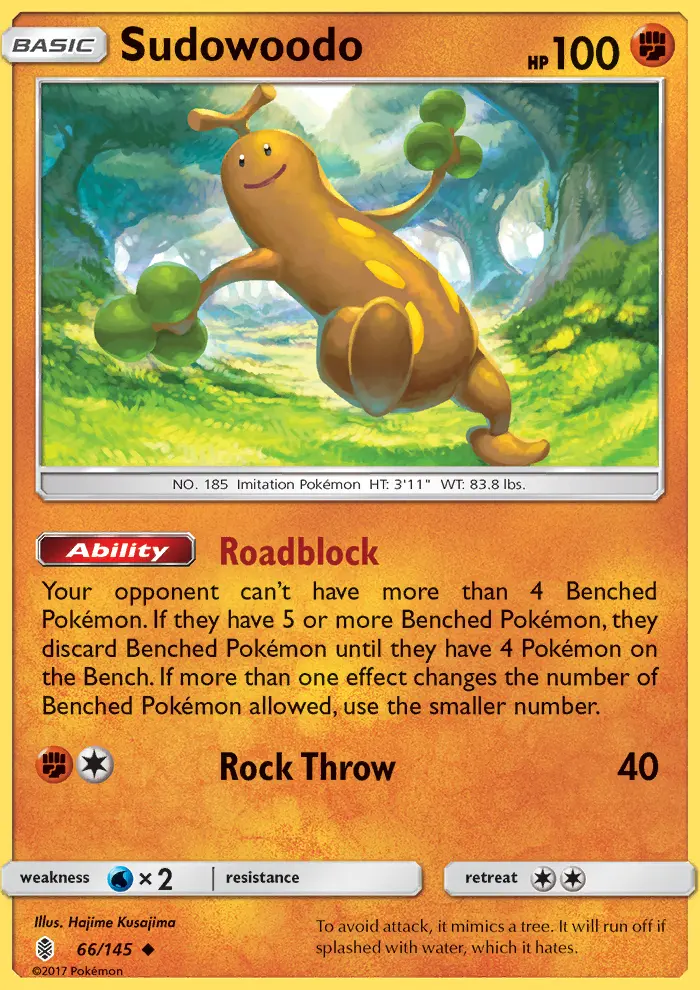 is a tech that seems to have been very neglected, due to its lower impact in the mirror match. Because of that, the winning Shadow Rider list was able to play Radiant Eternatus
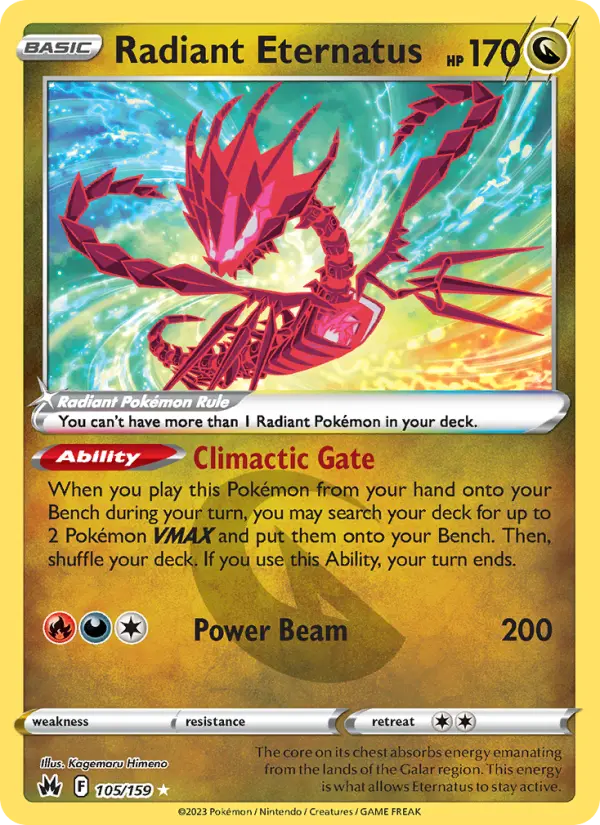 , a card that usually struggles against Bench limitation (in a deck that already can have trouble fitting all it wants on a five-Pokémon Bench). If I was a Regidrago player in Japan, I would probably run Sudowoodo for the foreseeable future, if only to beat the people who are sure to want to try out the winning deck.
The Unown effect
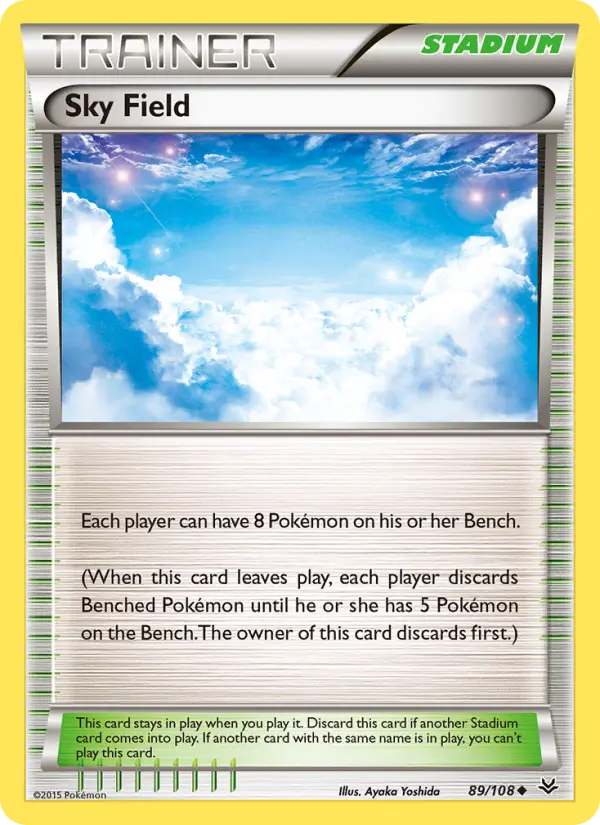
Sudowoodo might not be enough to deal with the varied archetypes that threaten Regidrago, though. Traditionally, it's been a solid counter to Electro Rain, as that deck needs to play many draw Ability Pokémon (or System Pokémon, as they're called in Japan) like Dedenne GX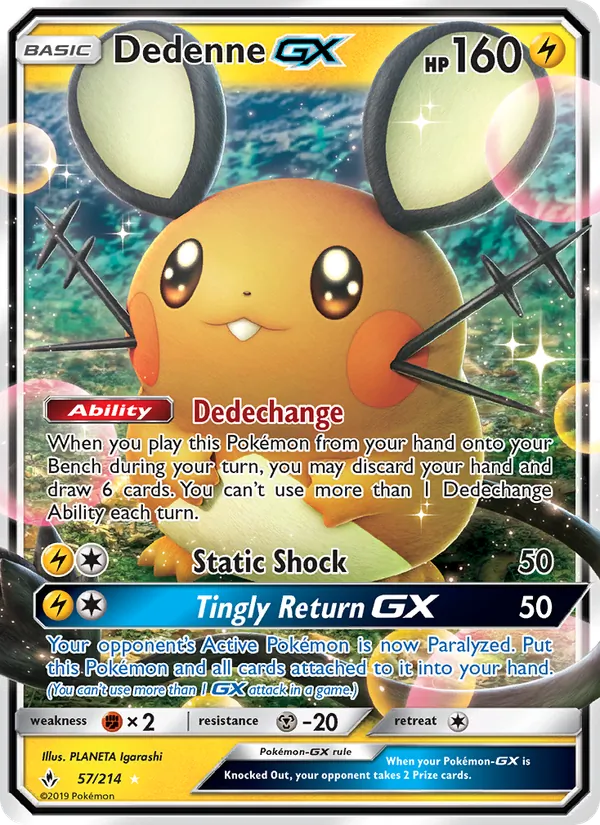 to achieve its combo, logically using Sky Field
 as well. Sudowoodo's Roadblock forces the Electro Rain player to counter it with something like Empoleon V
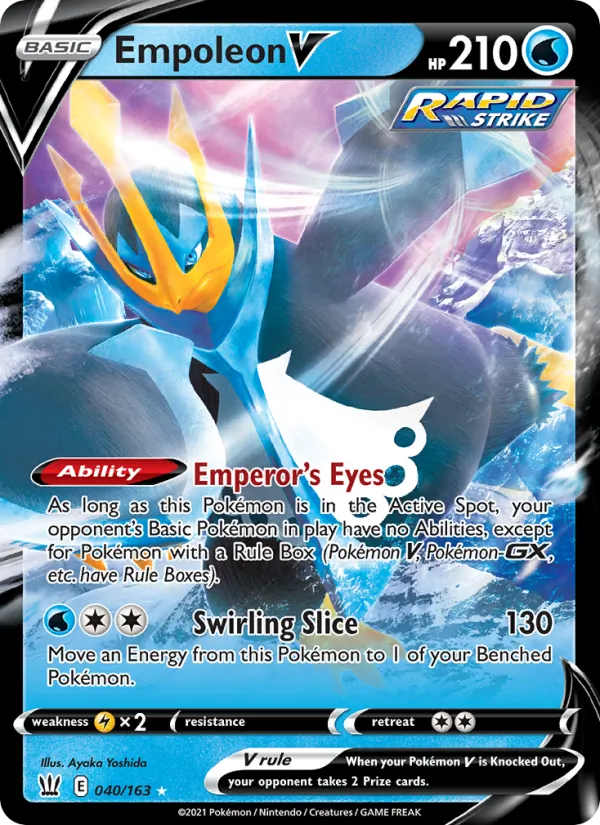 , complicating its play by forcing it to play its cards in a more restrictive order (bringing Empoleon V Active first to give the deck space to play its support Pokémon, etc.).
However, a new build of the deck emerged in Aichi, and while it's not the one that went the further in the tournament, it's probably the most intriguing variant. This new list doesn't play Dedenne-GX or Crobat V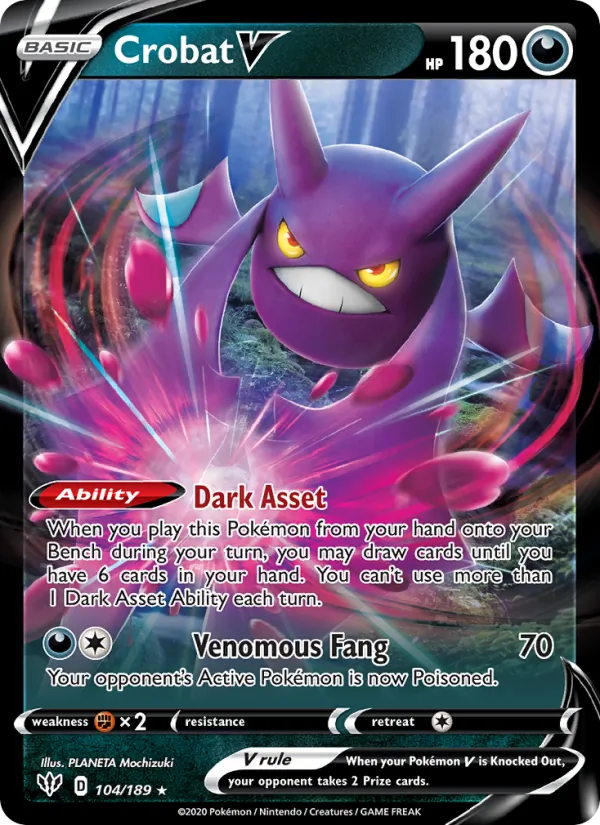 (or even Quick Ball!). Instead, its draw engine is carried by Battle VIP Pass
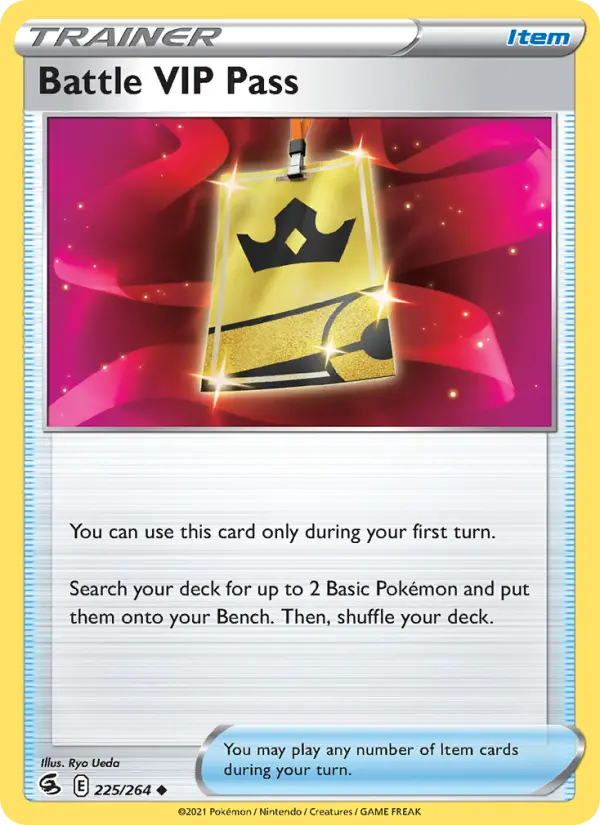 , Unown
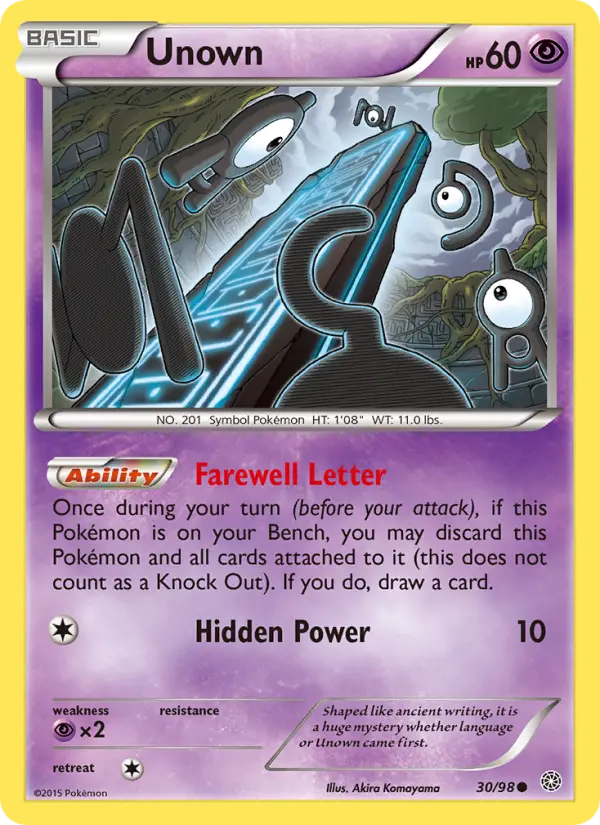 and Rescue Carrier
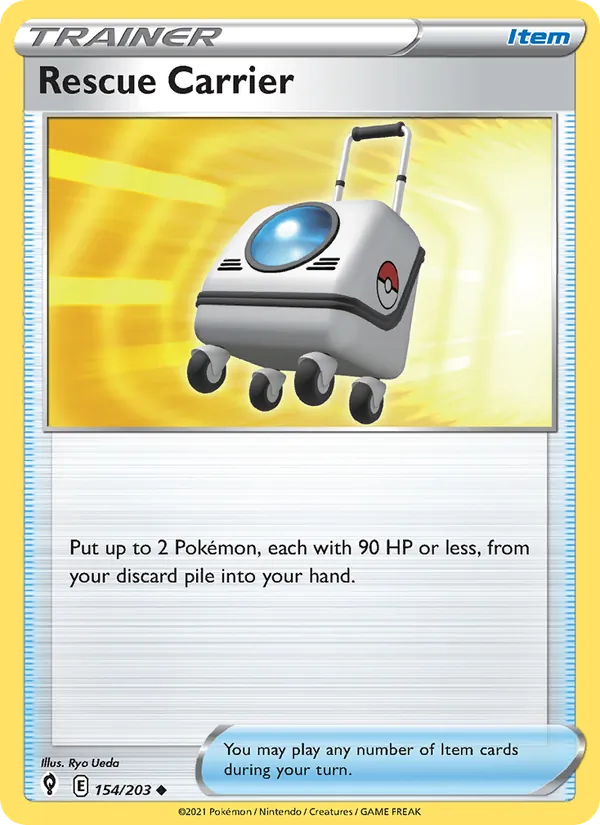 . Because Unown discards itself from play, the deck doesn't need to play Sky Field anymore (and can instead run a consistency Stadium in PokéStop
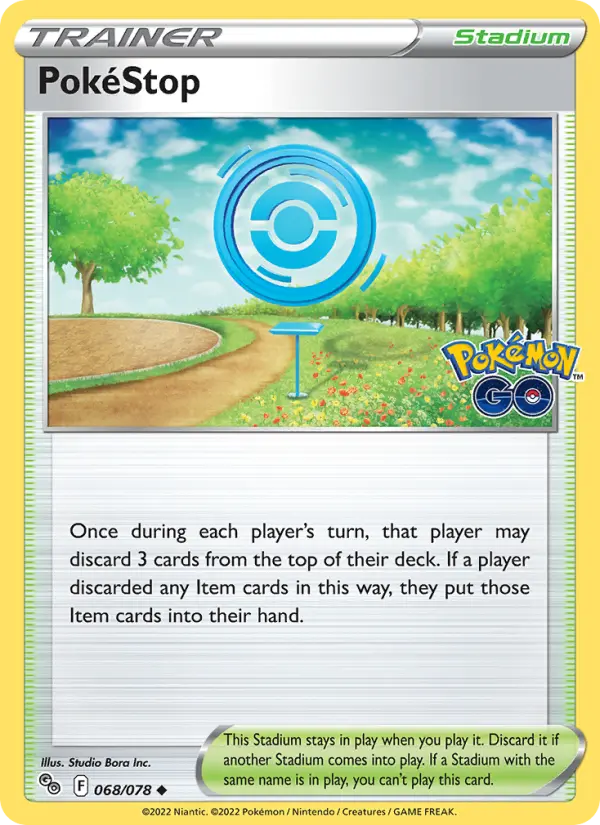 ), and can combo even against a Sudowoodo (although it's a bit more difficult, of course).
The engine of Unown and Rescue Carrier is nothing new. It has been used in various decks, becoming the main  Ceruledge variant as well as being a core part of the fearsome Dusknoir
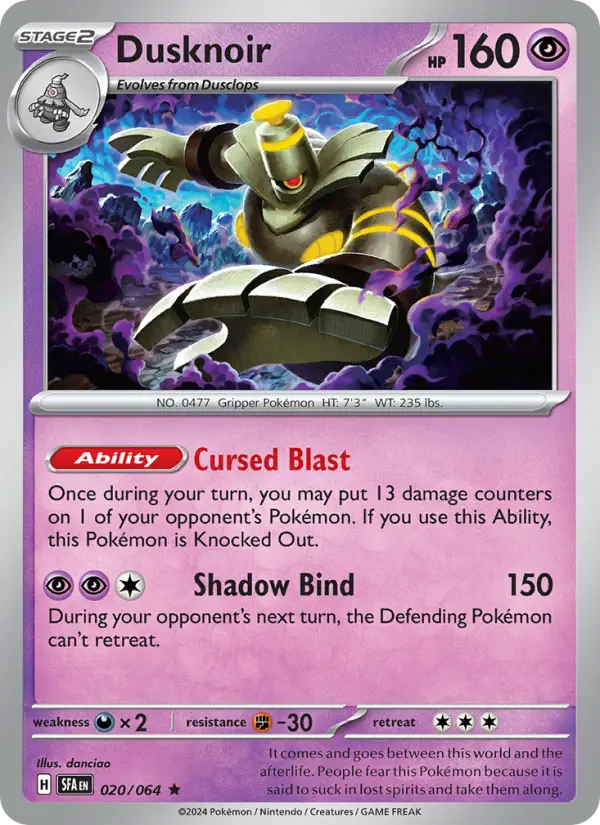 / Medicham V
 deck before the latter was banned. However, it seems to be gaining in popularity recently. Unlike its alternatives, Unown is not stopped by Wobbuffet
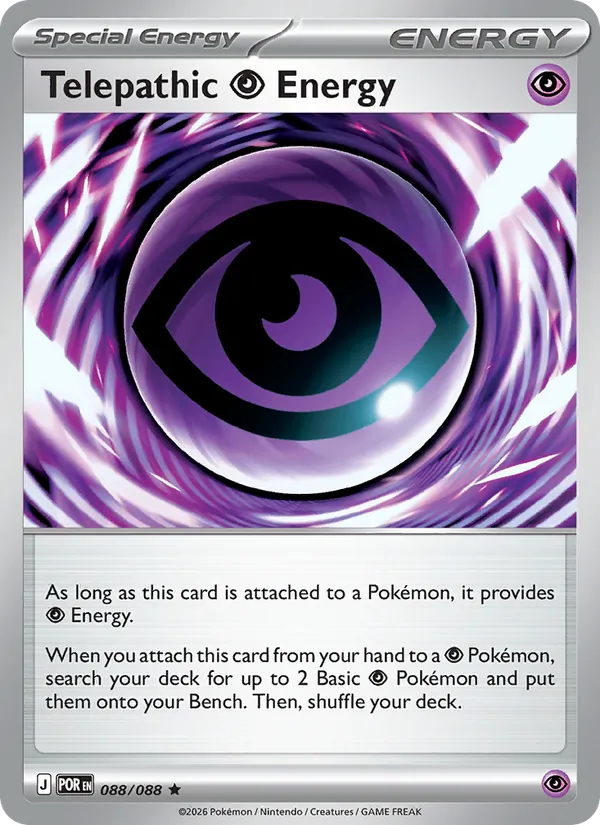
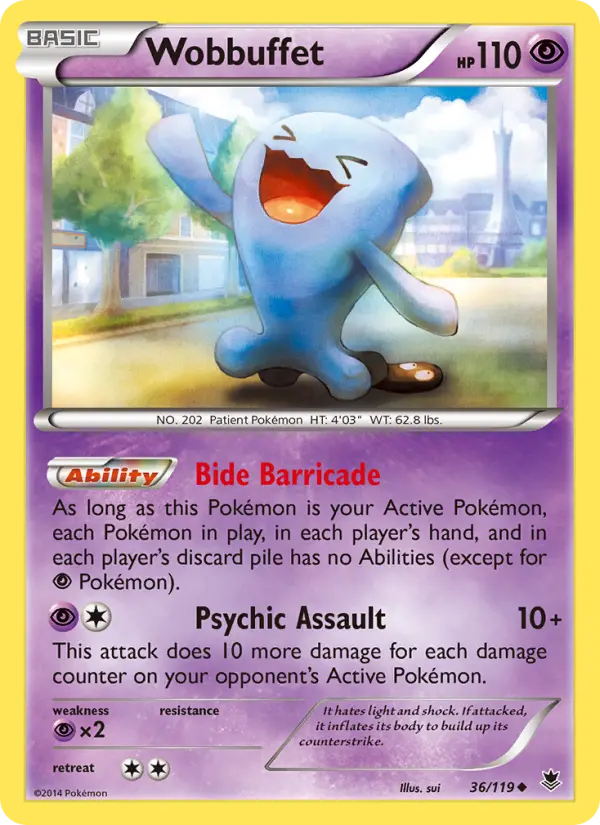 , Iron Thorns ex
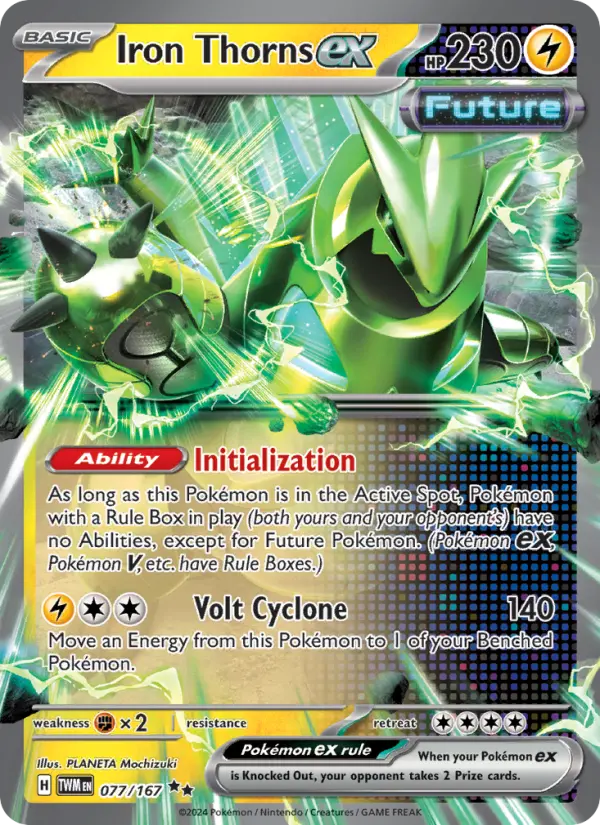 or Path to the Peak
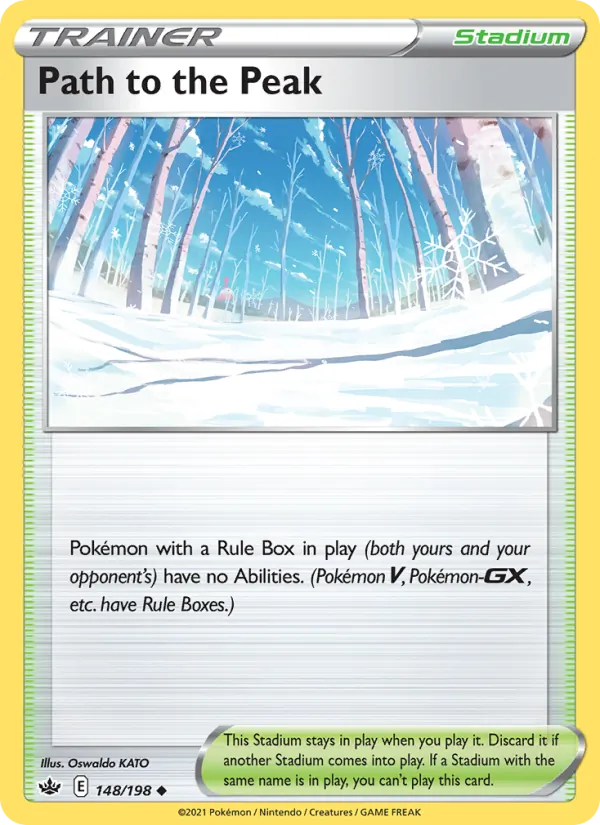 , not to mention it doesn't leave a vulnerable two-Prizer on the board, making it a safe choice for many decks. Telepathic Psychic Energy also works fantastically with it, and Expanded fans should probably keep an eye on this combination, or even give it a try themselves. This combination was featured in three decks that made top cut: Dusknoir / Chimecho, Psychic Box, and Shun Ito's Absol / Electrode. Even Mewtwo & Mew-GX, a card that nobody expected, was able to get a 6-2 finish thanks to this engine. To me, the fact that all these new decks are able to do well means that there's something strong at their core. The lists may not be totally refined yet, but I think there's a good chance that some sort of Psychic box (which might not end up looking like the one that performed in Aichi!) becomes a more recognized archetype.
Absol, and the "first or second" conundrum
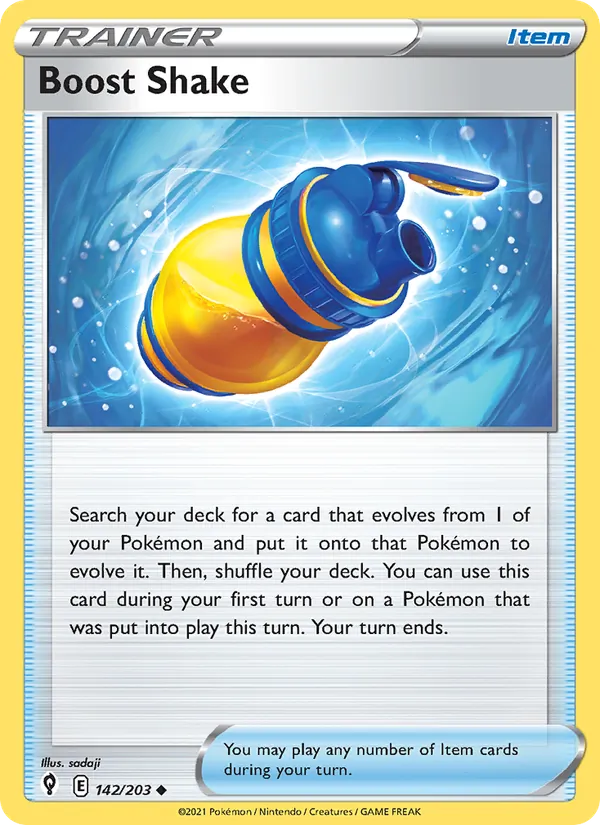
Going into the Champions League,  Mega Absol was heralded as the second best deck behind Regidrago, and it lived up to that reputation. Of the four Mega Absol / Garbodor decks that made top 32, only one was the
 Kyoto variant. The other three didn't run Vikavolt V
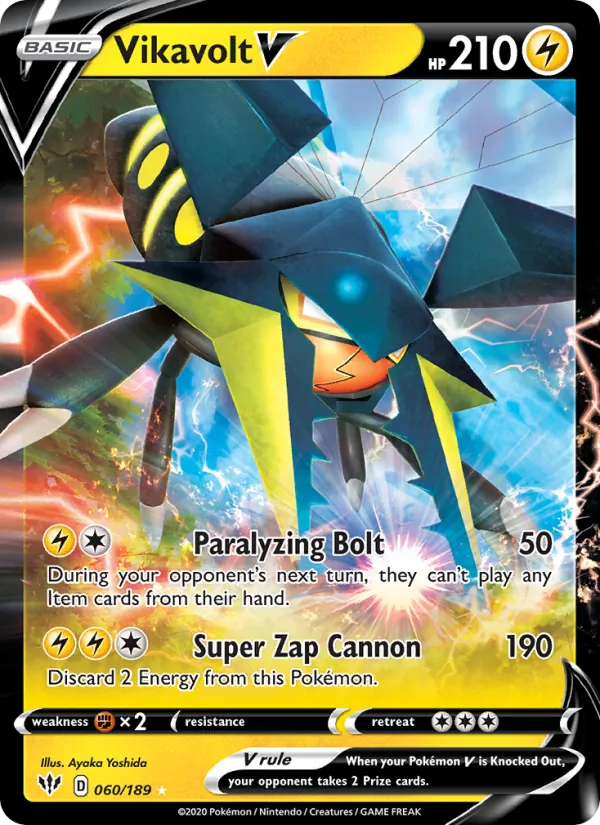 (or even Lightning Energy, for two of them), but they all ran Boost Shake, showing how much they valued the turn 1 Garbotoxin.
In Japan, matches are best of one, so the choice of whether to go first or second is very important; each deck pretty much has to choose blindly, unless they get outside information, which rarely happens. There's been a back-and-forth over the course of the year on whether Regidrago, especially, should go first or second, with some lists running, for example, double Tapu Lele GX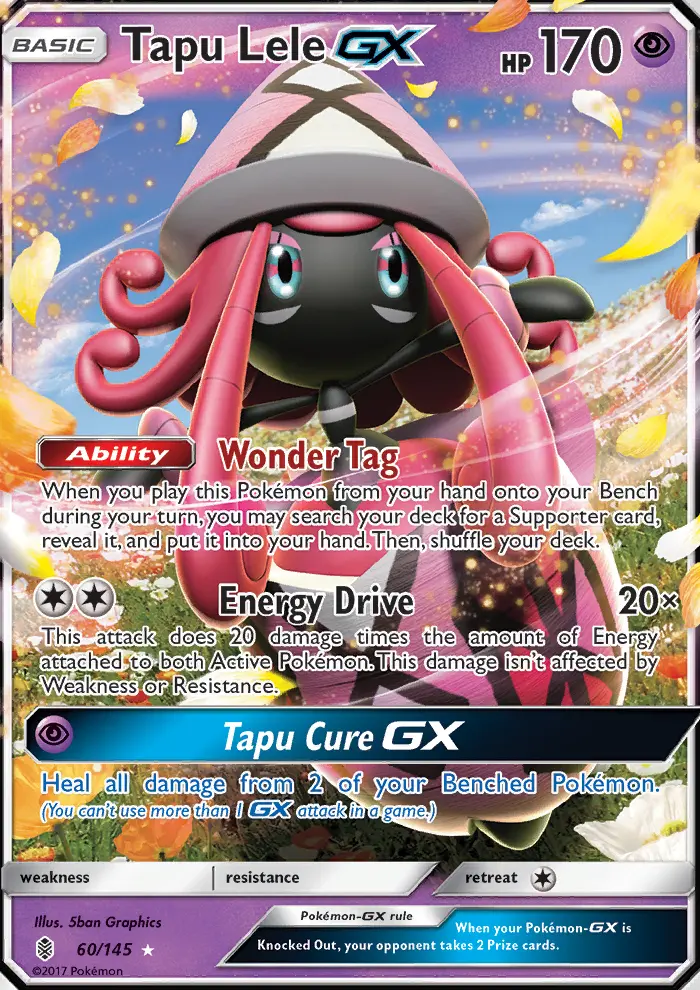 with the goal of using Marnie
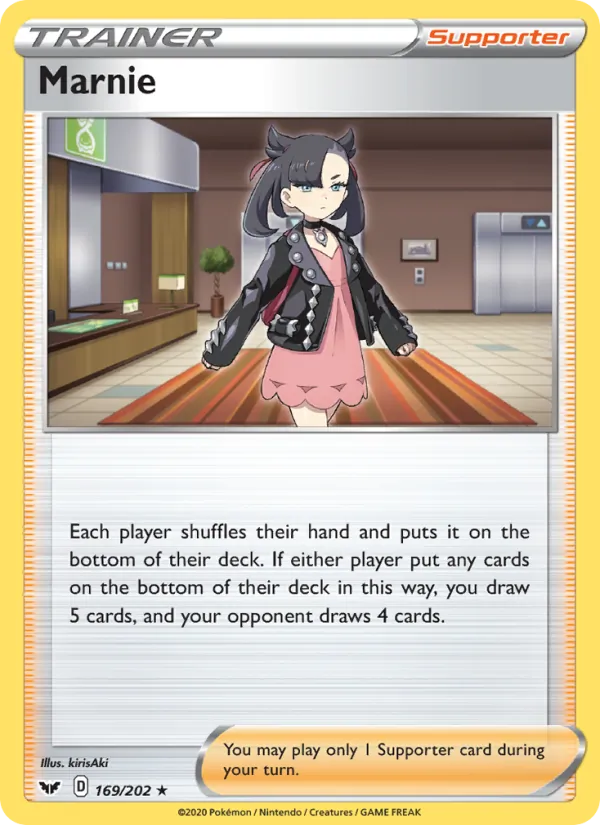 + Itchy Pollen on turn 1. As Aichi approached, it looked like most Regidrago players would choose to go second if they won the toss.
Against these players, any deck that wants to go first will always get to do so. They get to put a Garbodor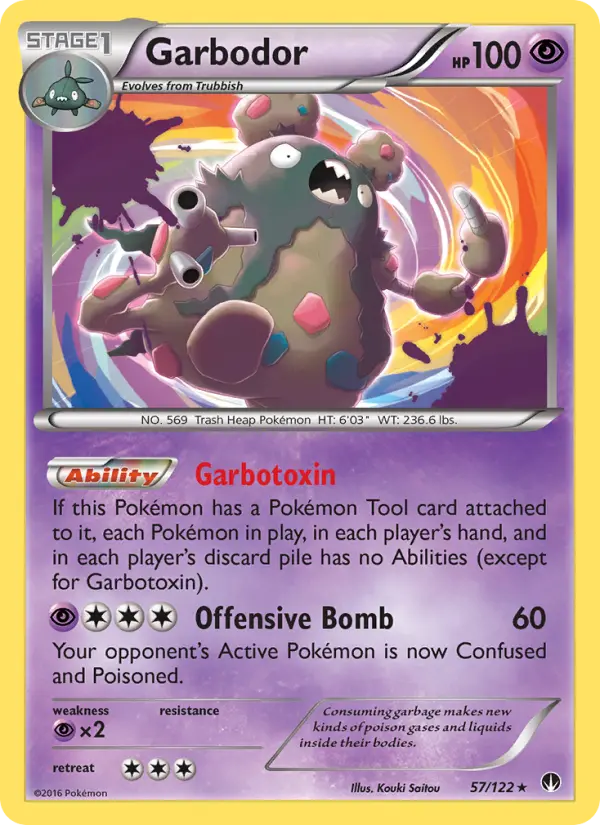 in play before the opponent can do anything, which can sometimes lead to a win outright. It's hard to know for sure, but there's a good chance that the choice of Regidrago to go second was one factor that led to Boost Shake Absol doing so well. It's also worth noting that turn 1 Garbotoxin is absolutely devastating to anti-Regidrago combo decks like Electro Rain, and that may have contributed to Absol's success: two of the three Electro Rain decks that made top cut lost in top 32 against Absol / Garbodor.
The winning Shadow Rider list was also optimized for going first, thanks to Radiant Eternatus and no Chimecho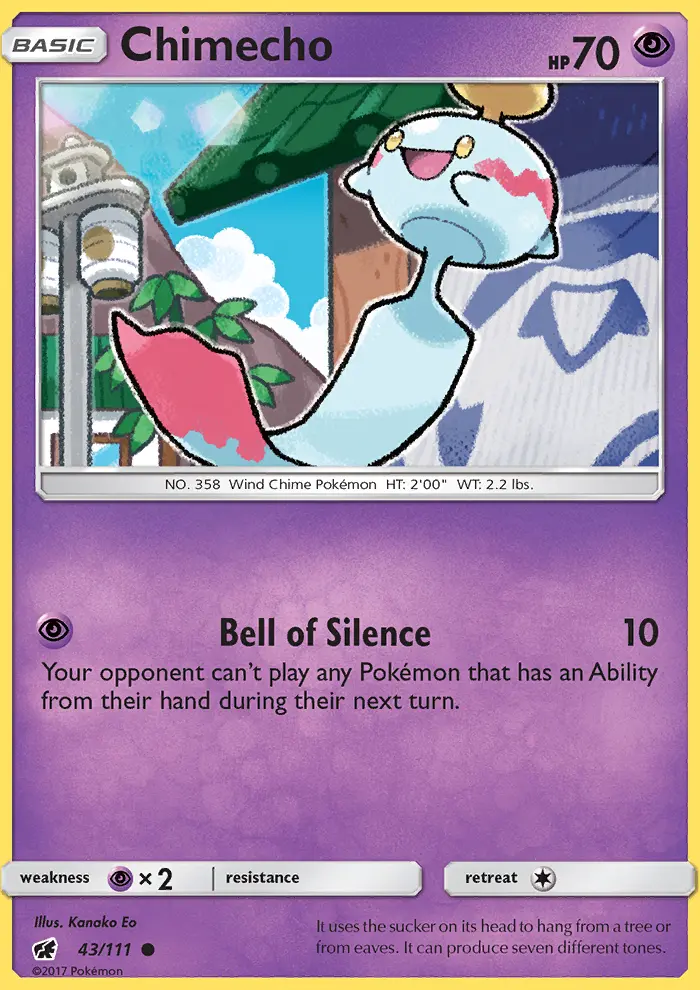 , and may have benefited similarly from Regidrago players choosing to go second.
It's hard to predict what this means for the Expanded format outside of Japan. I'm a big advocate for using best of 3 for Expanded, and in such a metagame (not to mention at small local events where you quickly see what everyone is playing), the mindgame of whether to go first or second is not as fundamental, as players can more readily adapt to their opponent.
Other decks
In no particular order, here are some other developments in the meta that are worth keeping in mind:
- Shadow Rider winning with Mimikyu + Dialga-GX: Personally, I don't expect this surprise combo (which had already been seen in other decks) to be that successful in the immediate future. As I mentioned, Sudowoodo hurts this version of the deck. Plus, Regidrago can play around Mimikyu, for example by using Koraidon ex to attack (especially on the turn after Timeless GX). If Regidrago is not the one attacking, Mimikyu can't copy its attack. That said, if other decks start to include this combo, I'm wondering if we could see it in
 Gardevoir, which already plays Lillie's Clefairy ex and Battle Compressor Team Flare Gear
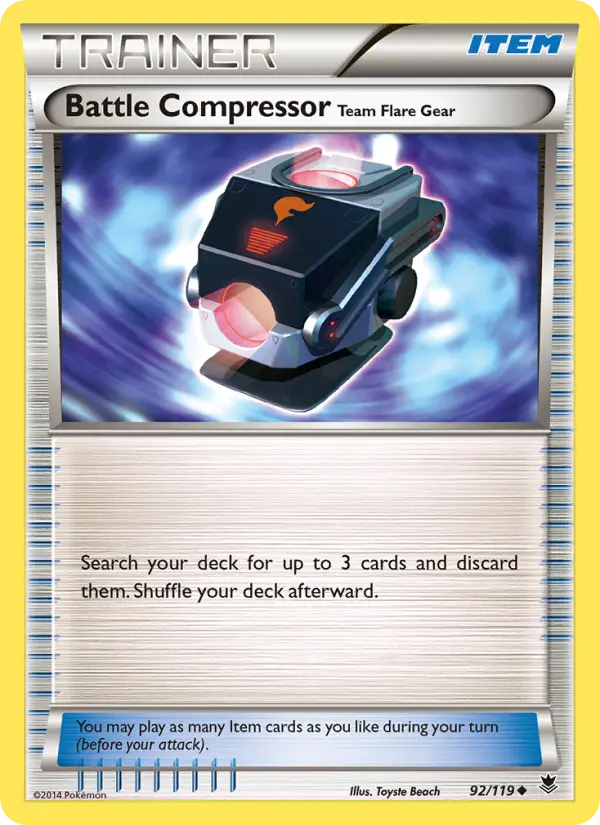 . Using Timeless GX means not using Horror House GX, but maybe that's worth the trade-off.
 - I was surprised by how well Stall, especially Snorlax Stall, handled Regidrago. When I practiced with Regidrago against Stall before Aichi 2025, I would usually win easily by Item locking my opponent with Noivern GX
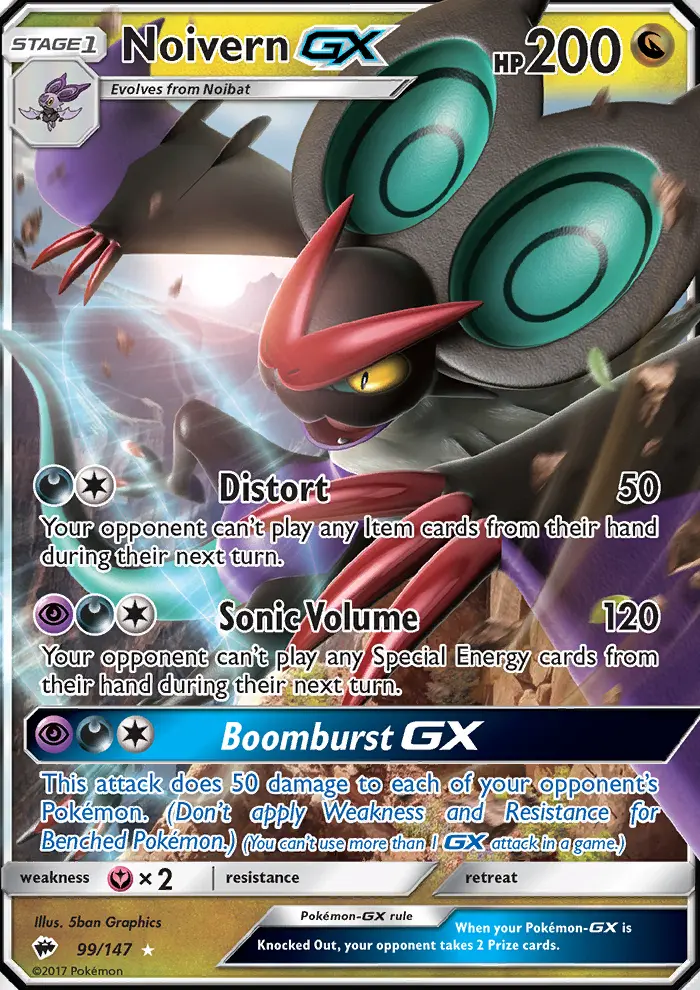 's Distort, then using Parallel City
 and Kyurem
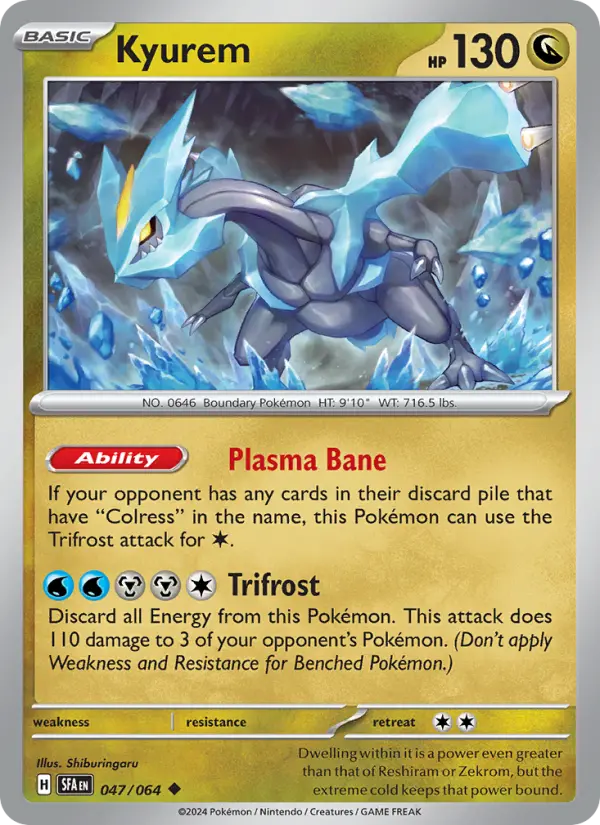 to wipe their board. However, with Parallel City and Noivern-GX both cut from most Regidrago lists, Stall became a solid choice to beat Regidrago again. Some Regidrago players did have counters prepared, such as Silent Lab
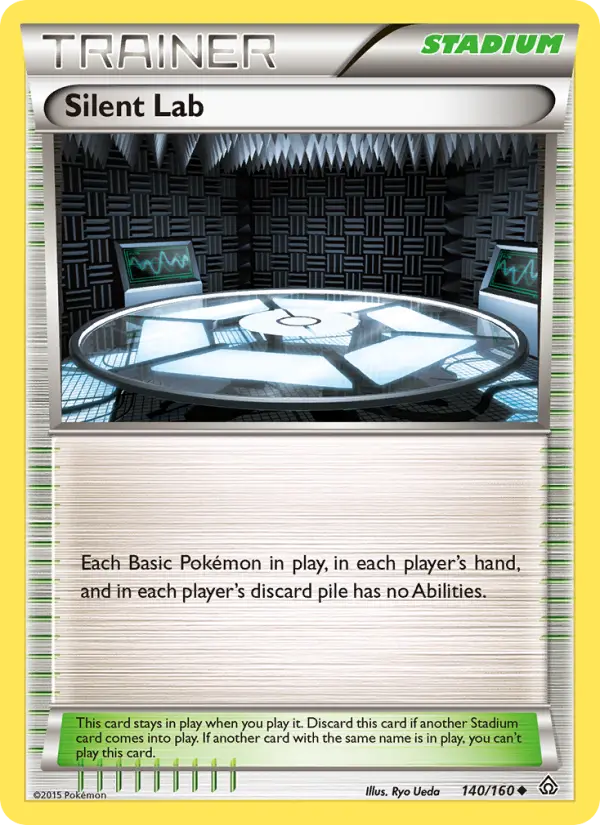 or Tate & Liza
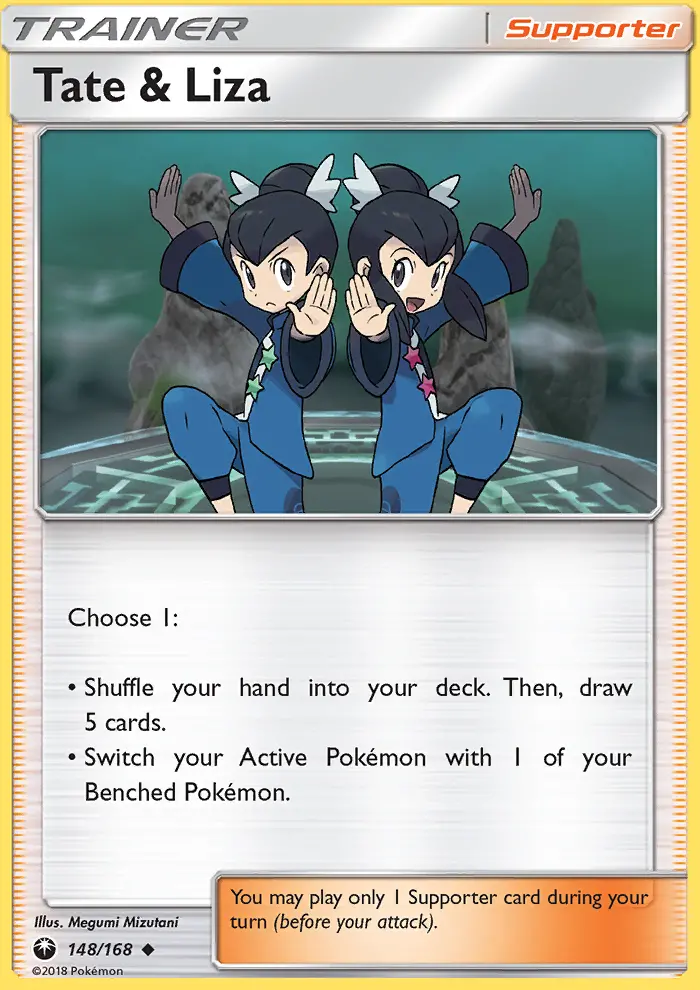 , but it's worth noting that the top 4 Snorlax deck used an Energy denial plan to beat Regidrago even if they played some of these counters.
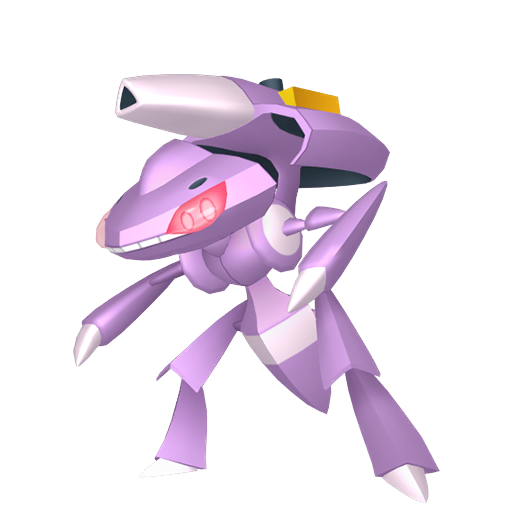 Mew VMAX made top 8. I don't know whether this is a fluke or a sign that Mew can still work in this metagame. Yamato Nakano's decklist was particularly unique, with a mix of Path to the Peak and Sky Field, double Karen
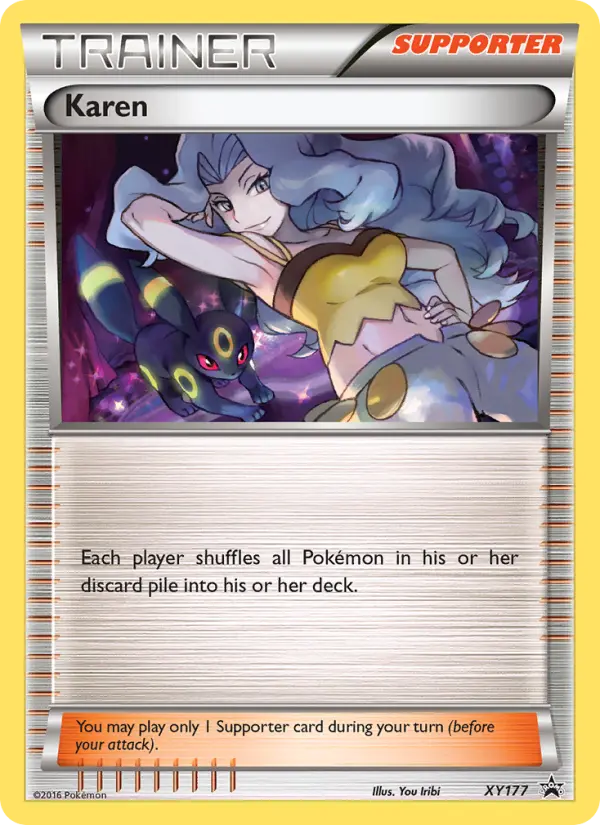 , double Special Red Card
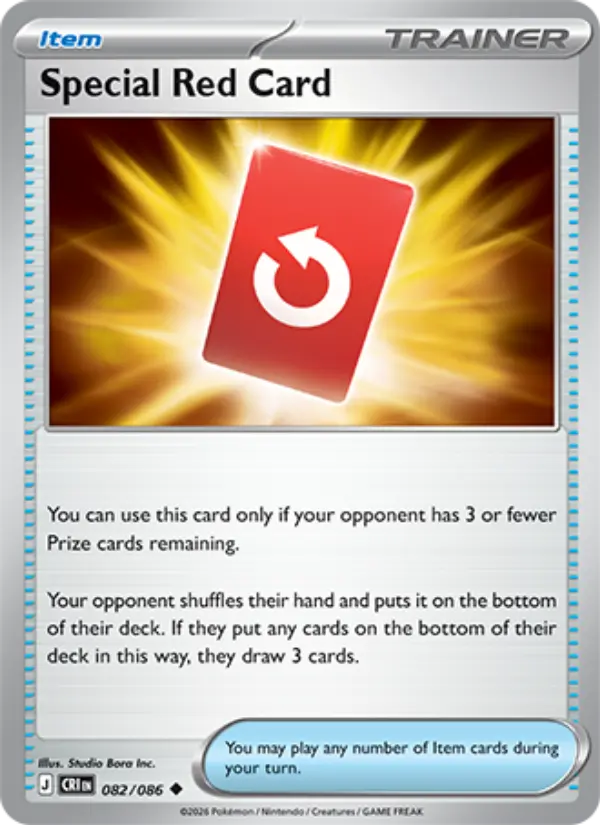 , and no Power Tablet
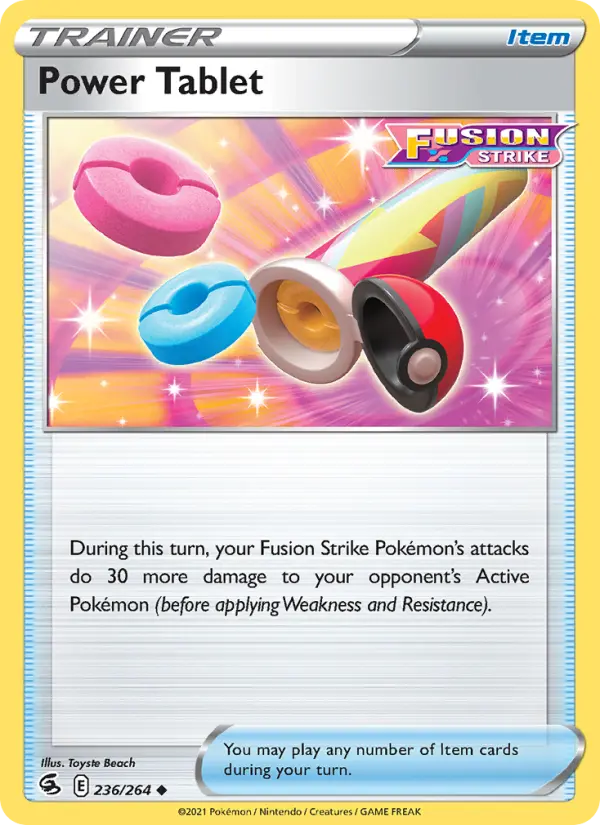 . It will be interesting to see if this was a one-shot or if Mew can continue being a threat in this format.
Looking ahead
One year ago, after the results of CL Aichi 2025, I predicted that about this time this year, we'd see a Regidrago counter appear.
My reasoning was as follows: the design team is aware of Expanded, and actually takes it into account when designing cards. They also look at the results from the only major Expanded event of the year. In 2024, when 
 Evo Vileplume won the Champions League, it included the Japanese exclusive promo Firefighting Pikachu, which was rare and expensive (some players had to buy graded copies just to have one time for the event), but necessary in the format, as it was the only Pokémon who could use the Firefighting attack for a Colorless Energy. One year later (which is, from what I've read about the length of the design cycle), we got Ducklett
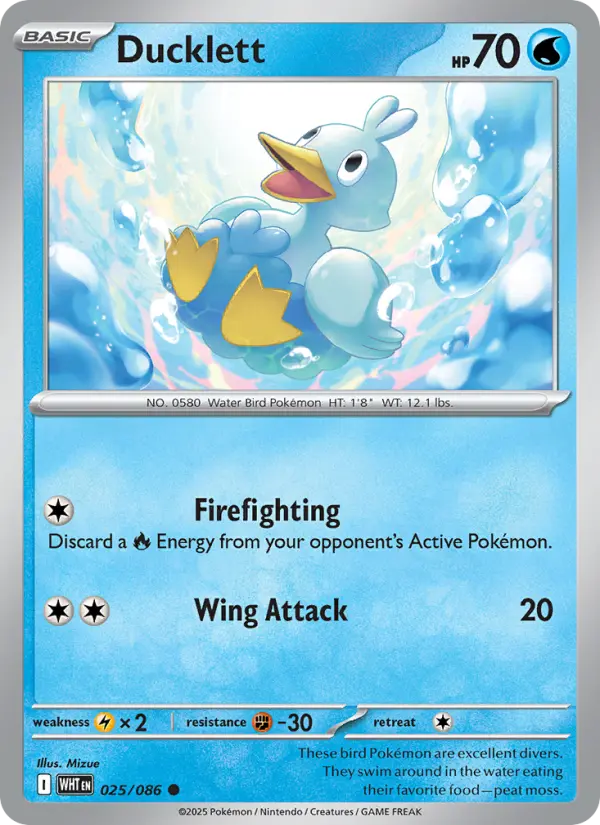 : an inconspicuous Pokémon that just so happened to also use Firefighting for one Colorless Energy, but had more HP than Firefighting Pikachu, while still being in Buddy-Buddy Poffin
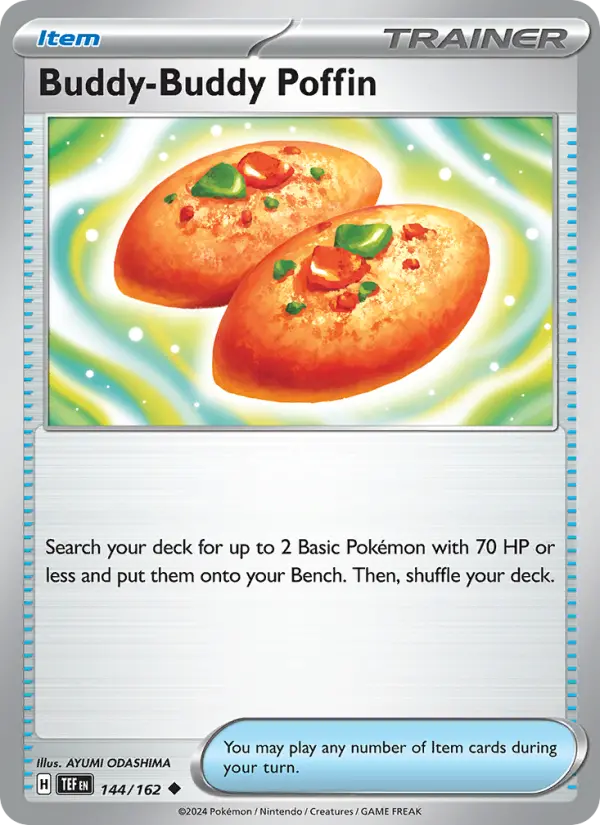 range. Firefighting Pikachu had stopped seeing play at this point (it wasn't as effective against Regidrago since the latter got Crispin
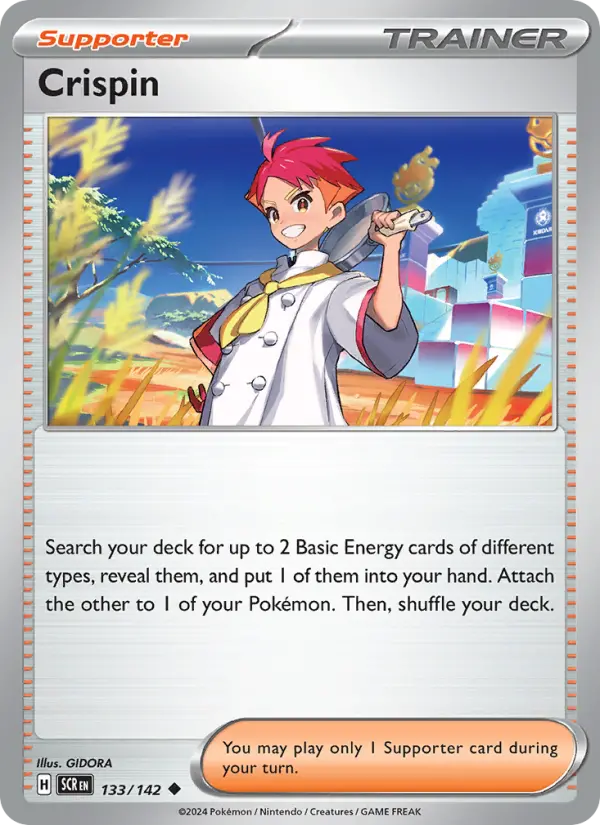 ), but Ducklett made sure that if it was ever needed again, a better version was available to all.
Given the results of CL Aichi 2025, where Regidrago dominated the top cut, I expected the card designers to react by making a counter card, that would logically release around July 2026 (and earlier in Japan). Given that we didn't see a card specifically prevent using attacks from the discard, or getting extra turns, or the like, I thought maybe I was wrong. And that's certainly a possibility! But another possibility comes to mind: that this counter is not a single card, but a whole archetype. Specifically, the Spooky Shelter (or whatever it will end up being called in English; I'm using Antoine Boulay's translation in the meantime) archetype, which just came out in the Abyss Eye set in Japan, and will release worldwide in Pitch Black, in July. This deck features a one-Prize, 140 HP, Basic Pokémon that deals 170 damage for a single Energy (which is obviously a KO on Regidrago VSTAR with Lillie's Clefairy ex in play, and also deals with many of the common Bench sitters of the format). The condition to deal that much damage, having four Pokémon with the Spooky Shelter Ability in the discard pile, is ridiculously easy to achieve in Expanded thanks to Battle Compressor. With its 140 HP, Dhelmise handles Trifrost and Phantom Dive's damage counters pretty well. This deck can also use the Telepathic Energy + Unown engine I mentioned above, so it doesn't have to put liabilities such as Dedenne-GX into play.
Very early results from small tournaments in Japan indicate that this deck does have a positive Regidrago matchup. But interestingly, it's also countered by cards like Girafarig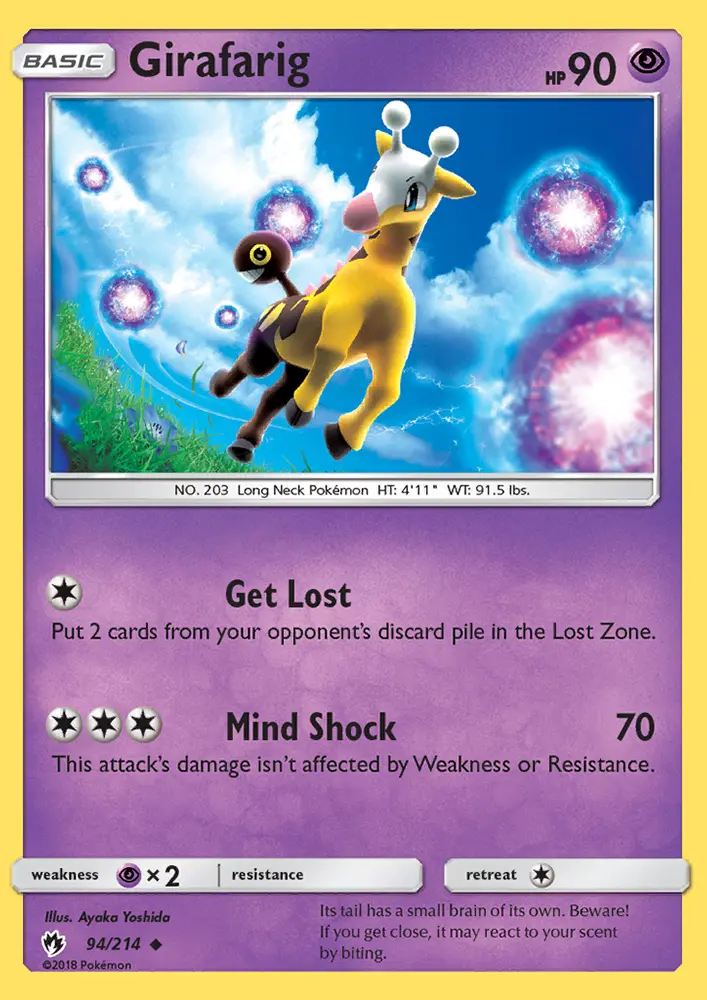 and Karen, cards which are also effective against Regidrago itself. So, to recap, we get a new archetype that seems to have a favorable Regidrago matchup, but which also incentivize players to run anti-Regidrago cards: that could be a recipe for a metagame shift, away from Regidrago domination.
Time will tell, though. It is still early to discuss the impact of a new archetype that will not release internationally for another two months, given that Dowsing Machine stays focused on the international Expanded format (which means that even if Spooky Shelter starts winning everywhere, don't expect a page on the deck until the cards actually get released in English). But for those who are looking ahead to see what the format will bring, it's something to keep an eye on!